

 Soap Bases
 Scents
 Oils
Oils Dyes
Dyes Equipment and Accessories
 Cosmetic Clays
The History of Soap: From Ancient Cleaning Methods to Modern Soap Making

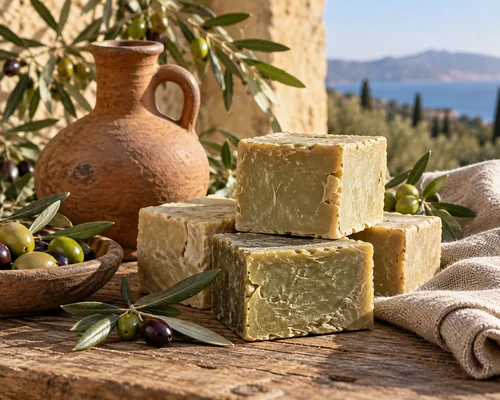
Soap is such a familiar part of daily life that it is easy to overlook its long history. Yet the bar beside a sink has a story stretching back thousands of years: from early mixtures of fats and alkaline materials to regional soap-making traditions and large-scale industrial production.
Who invented soap? There is no single confirmed inventor. The earliest evidence describes materials and processes that resemble soap making, but historians must interpret fragmentary records carefully. What is clear is that different societies found ways to use oils, fats and alkaline substances for cleaning long before the chemistry was fully understood.
This article follows the history of soap through the ancient world, the development of established soap-making centers, the industrial era and the distinction between traditional soap and modern synthetic detergents.
What Is Soap?
Traditional soap is produced when fats or oils react with an alkali. This chemical process is called saponification. The resulting soap helps water lift oils and dirt from a surface so they can be rinsed away.
Today, sodium hydroxide (NaOH) is commonly used to make firm soap bars, while potassium hydroxide (KOH) is commonly used to make liquid soap. Earlier soap makers did not have the standardized ingredients or calculations available today. They worked with locally available fats, oils and alkaline materials, including those obtained from ashes.
Understanding this distinction helps when reading ancient sources: a historical “soap-like material” was not necessarily the same as a carefully formulated modern bar.
Where Did Soap Originate?
Evidence of soap-like materials appears in ancient Mesopotamia. The American Cleaning Institute describes archaeological evidence associated with Babylon dating to around 2800 BCE, including references interpreted as fats being boiled with ashes.
These findings are important, but they do not establish the precise date when soap was first invented or prove that it was originally used for bathing. Early cleaning mixtures may have served several purposes, including treating or washing textiles. The surviving evidence provides glimpses of ancient practices rather than a complete account of how soap began.
Soap-Like Mixtures in Ancient Egypt
Ancient Egyptian records also mention the combination of oils or fats with alkaline salts. The Ebers Papyrus, dated to approximately 1500 BCE, is often cited in histories of soap because it describes preparations involving these materials.
Historical descriptions connect such mixtures with washing and skin-related uses. Still, an ancient preparation should not automatically be pictured as a scented, molded bar of soap. Ingredients, texture and intended use could differ considerably from the products we recognize today.
Did the Ancient Greeks and Romans Use Soap?
Greek and Roman bathing culture is closely associated with cleanliness, but bathing did not always depend on soap. One documented practice involved applying oil to the skin and removing it, along with dirt, using a curved scraping tool called a strigil. Examples of these tools and oil containers survive in museum collections.
Soap and soap-like substances were known in the wider ancient world, and their uses developed over time. It is therefore misleading to assume either that every Roman bath used soap in the modern way or that people in the ancient Mediterranean had no means of cleaning themselves.
What about the Mount Sapo story?
A popular tale says that soap was discovered when rain carried ashes and animal fat down Mount Sapo near Rome. It is a memorable story, but it should be treated as a legend rather than a documented account of soap’s invention. The actual development of soap making is more complex and cannot be traced to one confirmed event.
How Did Soap Making Develop into a Craft?
Over time, soap making became a practiced craft rather than an occasional use of cleaning mixtures. Makers learned how to combine available fats or oils with alkaline substances, cook the mixture and form a product that could be stored or transported.
Regional ingredients helped shape regional traditions. In areas where olive trees grew, olive oil became a major soap-making material. Other regions used different vegetable oils or animal fats. Access to raw materials, fuel, water and trade routes all influenced where soap production could expand.
The history of soap is therefore also a history of agriculture, local knowledge and commerce.
Aleppo Soap: A Long-Standing Syrian Tradition
Aleppo, in present-day Syria, is one of the cities most closely associated with traditional soap making. Classic Aleppo soap is known for the use of olive oil and laurel oil. The Syrian Heritage Archive describes how these ingredients were sourced from different regions and brought together in Aleppo’s soap-making workshops.
Traditional production involved cooking the soap, forming and cutting it, then arranging the bars so air could reach them during a lengthy drying period. Soap factories were designed around these stages of work, making the craft part of the city’s built environment as well as its commercial identity.
Aleppo soap is an example of how a practical cleaning product can also preserve regional knowledge and cultural heritage. Its history should be understood on its own terms rather than reduced to an unsupported claim that it was the single “first soap.”
Soap Making in Medieval and Early Modern Europe
Soap-making traditions also developed across parts of Europe. The availability of olive oil supported production in Mediterranean regions, while other places relied on locally accessible fats and materials.
As trade grew, soap moved beyond local workshops. Different regions developed preferences for the firmness, ingredients, appearance and intended use of their soaps. Some products were made for personal washing; others were suited to laundering or general cleaning.
Soap was not equally affordable to everyone. Taxes, the cost of ingredients and the labor required for production affected access. Its gradual spread was linked to changes in manufacturing, trade and everyday habits rather than one sudden invention.
How Chemistry Changed Soap Production
For centuries, obtaining a dependable supply of alkali was a significant practical issue for soap makers. A major industrial change came through processes for producing soda ash—sodium carbonate—on a larger scale.
In the late eighteenth century, French chemist Nicolas Leblanc developed a process for making soda ash from common salt. The Science History Institute records that his first soda-ash factory opened in 1791. Industrial alkali production helped supply industries including soap making, glassmaking and textiles.
Industrial progress also brought problems. Early chemical processes could generate harmful waste, and factories had to confront their effects on surrounding communities and the environment. The history of soap production includes both increased availability and the challenges created by manufacturing at scale.
Soap and Detergent: Are They the Same Thing?
In everyday speech, “soap” is often used for almost any cleaning product. Chemically, however, traditional soap and synthetic detergent are different categories.
Traditional soap is made by reacting fats or oils with an alkali. Synthetic detergents use other types of cleaning agents. Their development accelerated in the twentieth century, particularly when shortages of fats and oils during the world wars encouraged manufacturers to seek alternative raw materials.
Detergents also offered practical advantages for some cleaning tasks, including performance in hard water. As a result, many products casually called “soap” today may be formulated primarily with synthetic surfactants rather than traditional soap.
Neither term tells you everything about the quality or suitability of a product. The important point for a history of soap is that modern cleaning developed along more than one chemical path.
Traditional Soap Making Today
Industrial cleaning products did not end traditional soap making. Handmade soap makers continue to work with oils, fats and alkali, while using modern tools to calculate recipes and document batches more accurately.
Cold process and hot process methods allow makers to choose their oils and create soaps with different textures and appearances. Established regional traditions continue as well. A contemporary bar may reflect both an old idea—turning oils into soap—and modern understanding of formulation, safety and consistency.
This combination of craft and chemistry is one reason the history of soap remains relevant to people learning to make it today.
A Short Timeline of Soap History
| Period | Development |
|---|---|
| Ancient Mesopotamia | Early evidence of soap-like materials and the use of fats with alkaline substances. |
| Ancient Egypt | Written descriptions of preparations combining oils or fats with alkaline salts. |
| Classical antiquity | Several cleaning practices coexist; oil and the strigil are documented in Greek and Roman bathing. |
| Medieval period | Soap making becomes an established craft in various regions, including Aleppo and parts of Europe. |
| Late eighteenth and nineteenth centuries | Industrial alkali production supports the expansion of soap manufacturing. |
| Twentieth century onward | Synthetic detergents expand alongside traditional soaps. |
Frequently Asked Questions
Who invented soap?
No single inventor has been confirmed. Evidence of soap-like materials goes back thousands of years, but the surviving sources do not tell us exactly who first discovered or deliberately made soap.
Was soap first used for bathing?
That has not been established. Early soap-like materials may have been used for tasks such as cleaning textiles. Personal washing practices varied across societies and periods.
Did Romans invent soap?
There is no reliable basis for attributing soap’s invention to the Romans. The familiar Mount Sapo discovery story is a legend. Roman bathing also included methods such as applying oil and removing it with a strigil.
What is Aleppo soap traditionally made from?
Classic Aleppo soap is associated with olive oil and laurel oil, processed with an alkaline substance. Its production is part of a long-standing Syrian craft tradition.
What changed during the Industrial Revolution?
Developments in chemical manufacturing, including the large-scale supply of soda ash, helped soap production expand. Factories and trade made soap more widely available over time.
Is modern detergent the same as traditional soap?
No. Traditional soap is produced from fats or oils and an alkali. Synthetic detergents use different cleaning agents, even though both types of product may be casually called “soap.”
Final Thoughts
The history of soap is not the story of one person discovering one perfect recipe. It is a gradual development shaped by ancient cleaning practices, regional ingredients, skilled makers, trade and advances in chemistry.
From early soap-like materials to the olive and laurel soaps of Aleppo and today’s carefully calculated recipes, soap connects a simple daily action with thousands of years of human experimentation. Understanding that history adds depth to the craft of making soap now.
References
- American Cleaning Institute: Soaps & Detergents History
- EXARC Journal: An Experimental Exploration of the Earliest Soapmaking
- The Metropolitan Museum of Art: Roman Oil Bottle and Bathing Practice
- Syrian Heritage Archive: The Classic Soap of Aleppo and Its Production
- Science History Institute: Making the Process