
 Soap Bases
 Scents
 Oils
Oils Dyes
Dyes Equipment and Accessories
 Cosmetic Clays
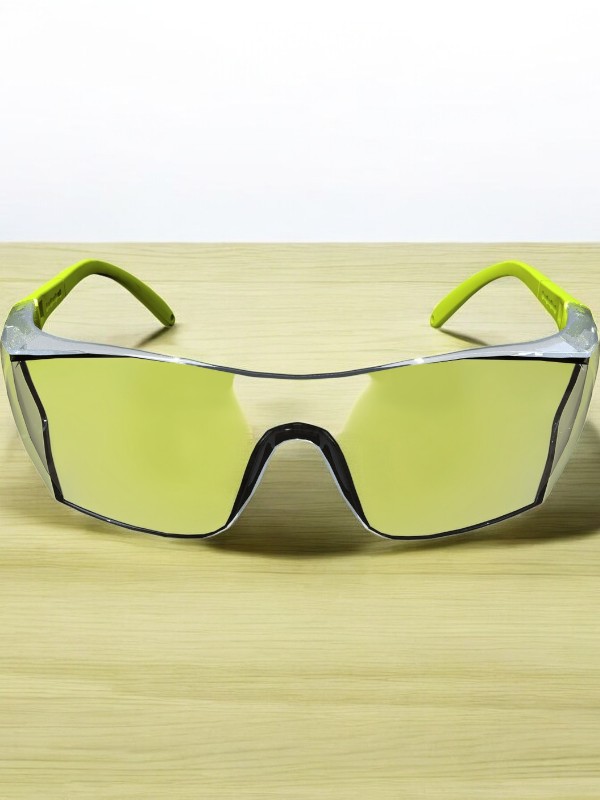
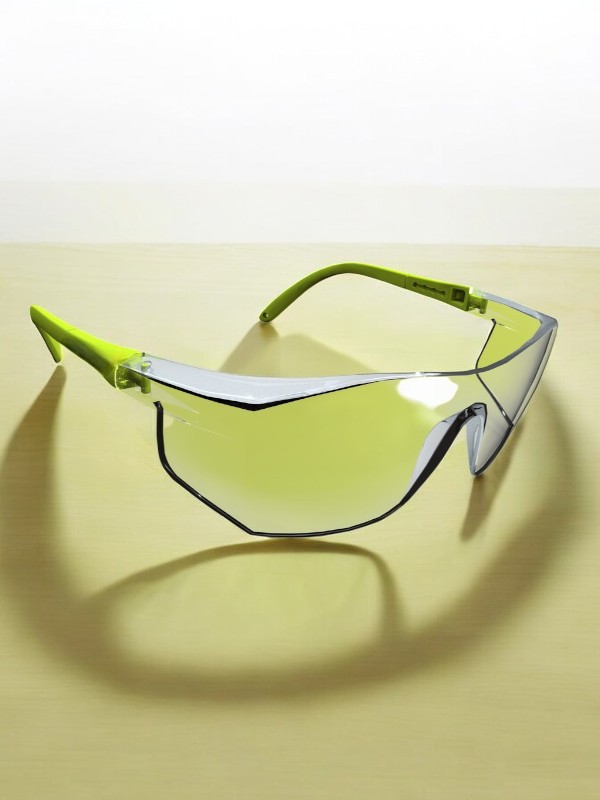
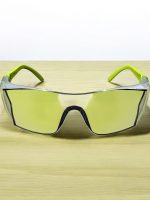
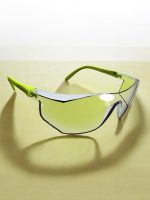
Clear Safety Glasses – Protective Eyewear for Soap Making & Laboratory Work
$16,00
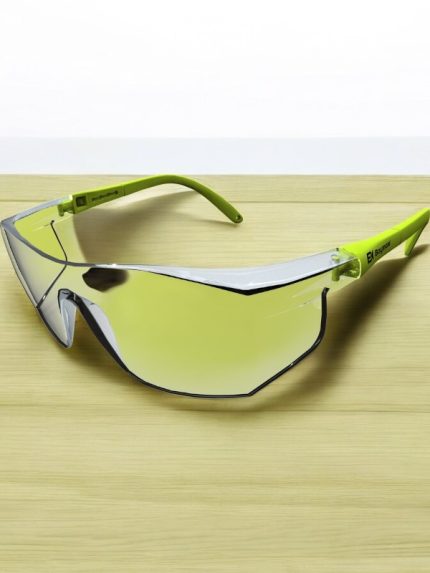
Clear Safety Glasses are practical protective eyewear for soap-making workshops, laboratory activities, cleaning tasks and general work environments. Their transparent lenses support clear visibility during ingredient measuring, mixing and everyday handling tasks. The level of impact, dust and chemical-splash protection depends on the eyewear’s certified specifications and design.
Clear Safety Glasses – Protective Eyewear for Soap Making & Laboratory Work
Practical Eye Protection for Soap Making, Workshops & Laboratory Activities
Clear Safety Glasses are protective eyewear designed to help reduce eye exposure to workplace hazards within the limits of their protective design and certification.
They are a useful addition to personal protective equipment (PPE) used in soap making, cosmetic formulation, laboratory work, workshops and general production environments.
Transparent lenses help maintain clear visibility during tasks such as:
- Measuring soap-making ingredients
- Preparing cosmetic formulations
- Handling nonhazardous powders
- Laboratory observation
- Packaging operations
- Workshop activities
- General production work
- Cleaning and maintenance tasks
The appropriate protection level must always be selected according to the actual workplace hazards.
Why Is Eye Protection Important?
Eye protection is an essential consideration when working with laboratory equipment, powders and chemicals.
Some activities can expose the eyes to:
- Airborne particles
- Dust
- Unexpected splashes
- Flying debris
- Accidental contact with materials
Suitable protective eyewear can help reduce exposure to specific hazards for which it has been tested and approved.
However, no single eyewear design provides protection against every hazard.
Clear Lens Design
The transparent lens design supports visibility during detailed work.
Clear protective eyewear can be useful when:
- Measuring ingredients
- Reading scales
- Operating equipment
- Preparing small batches
- Inspecting materials
- Monitoring mixing processes
The actual optical performance depends on lens quality and product specifications.
Eye Protection for Soap Making
Eye protection is especially important during handmade soap production.
Soap makers may work with:
- Sodium Hydroxide (NaOH)
- Potassium Hydroxide (KOH)
- Vegetable oils
- Essential oils
- Fragrances
- Pigments
- Cosmetic powders
- Other formulation ingredients
Different materials and manufacturing operations require different protective equipment.
Important: Sodium Hydroxide Safety
Sodium Hydroxide is a strongly corrosive substance used in traditional soap making.
When preparing a lye solution, there is a risk of serious eye injury from accidental chemical splashes.
For mixing or handling corrosive lye solutions, use properly rated, close-fitting chemical splash goggles rather than assuming ordinary open-frame safety glasses provide sufficient protection.
For higher-risk operations, a suitable face shield may also be necessary over appropriate eye protection.
A face shield alone is not a replacement for properly selected chemical splash goggles.
Laboratory Applications
Clear protective eyewear may be suitable for selected laboratory activities involving:
- Sample preparation
- Nonhazardous material handling
- Routine visual inspections
- Packaging and labeling
- General laboratory work
The product’s certified protection level must be appropriate for the chemicals, particles and equipment involved.
Cosmetic Formulation Workshops
Protective eyewear is also relevant to cosmetic formulation activities.
Examples include:
- Cream and lotion preparation
- Shampoo production
- Pigment handling
- Cosmetic ingredient weighing
- Mixing and filling operations
- Small-batch formulation development
For hazardous chemical handling, always refer to the material’s Safety Data Sheet (SDS) and select the required eye protection.
Workshop & General Industrial Applications
Depending on its certified specifications, protective eyewear may also be suitable for:
- General workshop tasks
- Light maintenance work
- Manufacturing activities
- Packaging operations
- Educational laboratories
- Craft workshops
Impact-rated protection must be verified before using the glasses where flying particles or debris are present.
Comfort & Fit
Appropriate eyewear should fit securely and remain comfortable during the intended task.
Important considerations include:
- Correct fit
- Lens clarity
- Compatibility with other PPE
- Sufficient field of vision
- Appropriate frame coverage
- Secure positioning
Actual comfort and fit vary by eyewear design and user.
Anti-Fog Lens Coating
Some protective eyewear models are supplied with anti-fog coatings that help reduce lens condensation.
However, this feature must be verified for the specific product.
If the supplied model has a confirmed anti-fog coating, it may be useful in environments involving:
- Humidity
- Temperature changes
- Extended wear
- Increased condensation
No anti-fog coating completely prevents fogging under every condition.
Safety Glasses vs. Chemical Splash Goggles
It is important to distinguish between two common types of eye protection.
Safety Glasses
Typically feature:
- Spectacle-style frame
- Transparent or tinted protective lenses
- Optional integrated side protection
- Specific impact ratings depending on the model
They are generally intended for selected hazards such as flying particles, within their certified protection limits.
Chemical Splash Goggles
Typically feature:
- Close-fitting construction
- Greater coverage around the eyes
- Chemical splash protection when appropriately rated
- Suitable ventilation or sealed design for the intended hazard
Chemical splash goggles are generally the appropriate choice when handling corrosive liquids, concentrated acids or alkaline chemicals.
Choosing the Correct Eye Protection
Before selecting protective eyewear, consider:
- The chemical or material being handled.
- Whether liquid splashes are possible.
- Whether airborne dust or fine particles are present.
- Whether impact hazards exist.
- Whether the eyewear fits securely.
- Whether its certification matches the hazard.
Always select PPE according to the relevant risk assessment.
How to Use
For suitable work activities:
- Inspect the eyewear before use.
- Check for scratched or damaged lenses.
- Verify that the eyewear is appropriate for the task.
- Put it on before beginning work.
- Ensure it fits securely.
- Keep the eyewear in place during exposure.
- Clean and inspect it after use.
Replace damaged eyewear when its protective performance may be compromised.
Cleaning & Maintenance
Proper maintenance can help preserve visibility and usability.
General care recommendations include:
- Clean with an appropriate lens-cleaning product.
- Use a soft, nonabrasive cloth.
- Avoid harsh chemicals unless approved by the manufacturer.
- Do not use damaged or heavily scratched lenses.
- Store in a clean environment.
- Follow the manufacturer’s cleaning instructions.
If the model has a special lens coating, use cleaning methods approved for that coating.
Safety Standards & Certification
Protective eyewear supplied for professional use should meet the applicable requirements for its intended market.
For European markets, relevant requirements include:
- Regulation (EU) 2016/425 on Personal Protective Equipment
- EN ISO 16321-1 for occupational eye and face protection
Older products may carry markings associated with EN 166.
Certification and conformity must be verified for the actual supplied product.
Do not assume a model is CE-certified or chemically splash-resistant solely because it is described as safety glasses.
Important Limitations
Unless specifically certified for the corresponding hazard, these glasses should not be assumed suitable for:
- Corrosive chemical splashes
- Fine airborne chemical dust
- High-energy impact
- Welding
- Laser exposure
- UV radiation protection
- Molten metal
- High-temperature processes
Additional or different protective equipment may be required.
Storage
Store protective eyewear:
- In a clean, dry location
- Away from excessive heat
- Protected from scratching
- Away from damaging chemicals
- According to manufacturer recommendations
Check the lenses and frame before every use.
Safety Reminder
Protective eyewear is one component of a complete safety system.
Depending on the task, additional protective equipment may include:
- Chemical-resistant gloves
- Protective clothing
- Laboratory aprons
- Face shields
- Appropriate respiratory protection
Always follow applicable safety procedures and chemical Safety Data Sheets.
Wholesale, Private Label & Contract Manufacturing
We supply soap-making equipment, laboratory accessories, protective eyewear and other soap-making supplies for individual makers, cosmetic formulators, workshops and professional manufacturers, subject to product availability.
We also provide wholesale raw-material supply and selected private label and contract manufacturing services for soaps, detergents and cleansing products.
For bulk protective eyewear orders or soap-making equipment inquiries, please contact us with your required quantity, product specifications, certification requirements, packaging preferences and delivery destination.
Customized protective eyewear sourcing or branding can be evaluated subject to supplier availability and compliance requirements.
KARGO & İADE
SabunYapimi.com olarak müşteri memnuniyetini ön planda tutuyoruz. Siparişlerinizin güvenli ve hızlı bir şekilde size ulaşmasını sağlamak için en iyi lojistik firmalarıyla çalışıyoruz. Ayrıca, herhangi bir sebepten dolayı ürününüzden memnun kalmazsanız, iade ve değişim sürecimizi kolay ve hızlı hale getirdik.
Kargo Firması & Gönderim Süresi
- Siparişleriniz, ödeme onaylandıktan sonra 1-2 iş günü içinde kargoya verilir.
- Kargo firmaları: [Aras & Yurtiçi]
- Ortalama teslimat süresi 2-3 iş günü arasındadır.
Kargo Ücretleri & Ücretsiz Kargo Şartları
- [1000 TL ve üzeri alışverişlerde kargo ücretsizdir.]
- Standart kargo ücreti sipariş aşamasında ödeme sayfasında belirtilir.
Kargo Takibi
Siparişiniz kargoya verildiğinde e-posta veya SMS ile takip numarası paylaşılır. Kargo takip bağlantısını kullanarak siparişinizi kolayca takip edebilirsiniz.
📌 Siparişiniz belirlenen süre içinde ulaşmazsa, bize aşağıdaki iletişim bilgileriyle ulaşabilirsiniz:
📧 E-Posta: sabunyapimi@gmail.com
📞 WhatsApp Destek: +90 532 059 15 71
Geri Ödeme ve İade Süreçleri
Geri Ödeme ve İade Politikası Sayfamızı Okuyun
Related products
Black Soap Colorant 20 g – Concentrated Pigment for Handmade Soap Making
Price range: $18,00 through $28,00