
 Soap Bases
 Scents
 Oils
Oils Dyes
Dyes Equipment and Accessories
 Cosmetic Clays
What Is Cold Process Soap? Benefits and Practical Tips for Better Bars

What Is Cold Process Soap? Benefits and Practical Tips for Better Bars
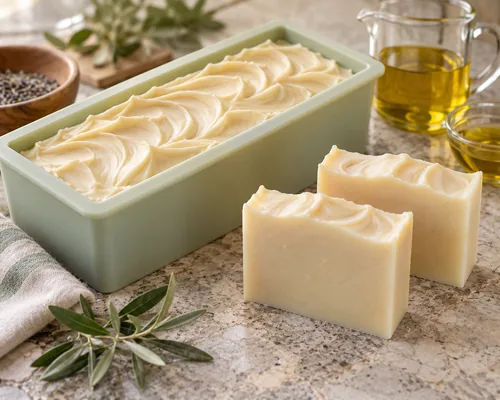
Cold process soap is handmade soap created by combining oils or fats with a sodium hydroxide solution. The ingredients react through a process called saponification, forming the soap that becomes a solid bar. The mixture is poured into a mold, allowed to set, cut, and then cured.
The method appeals to soap makers because it gives them control over the oil blend, fragrance, color, and design. That flexibility also means that measurements and processing choices matter. A balanced recipe and careful handling have a much greater effect on the finished bar than a decorative swirl or a long list of additives.
How Does the Cold Process Method Work?
Cold process soap begins with three essentials: oils, water, and sodium hydroxide. The sodium hydroxide is dissolved in water to make a lye solution. The solution is then combined with the oils and mixed until they form a stable soap batter.
Although the method is called “cold process,” the ingredients do not necessarily stay cold. Dissolving sodium hydroxide generates heat, and the soap can become warm in its mold as saponification continues. “Cold process” describes the method’s general approach: the soap batter is not deliberately cooked through the hot process method.
After the batter has set firmly enough, it is removed from the mold and cut. The bars are then left in a suitable space to cure. This final stage allows excess water to evaporate and helps the soap develop its expected firmness and longevity.
What Is Saponification?
Saponification is the reaction that turns oils or fats and alkali into soap. Each soap-making oil has a particular alkali requirement. This is why every recipe needs an accurate sodium hydroxide calculation.
Changing an oil without recalculating the lye can change the balance of the entire batch. For example, replacing part of an olive oil recipe with coconut oil is not simply a texture adjustment: it also changes the amount of alkali required. A reliable lye calculator should be used whenever the oils, their weights, or the intended superfat change.
Superfat describes the calculated allowance for oils that are not intended to be converted into soap. It is a recipe setting, not a reason to measure lye approximately. Accurate weighing remains essential.
What Are the Benefits of Cold Process Soap Making?
1. Control over the oil blend
Soap makers can select oils to develop the characteristics they want in a bar. Olive oil, coconut oil, castor oil, and various butters contribute differently to firmness, lather, and the experience of washing. Their combined effects matter more than the reputation of any single oil.
2. Creative freedom
Cold process soap batter can be divided, colored, layered, or swirled before it becomes too thick to pour. A maker can create anything from a plain unscented bar to a more elaborate design, provided the chosen additives are suitable for soap.
3. A repeatable production method
Once a recipe has been tested, recording the ingredient weights, temperatures, mixing time, and curing conditions can help reproduce the result. Consistent records also make it easier to understand why one batch behaved differently from another.
4. Flexibility in batch size and shape
Cold process soap can be poured into loaf molds, individual cavities, or other suitable prepared molds. The batch must be sized for the mold, and any change to ingredient quantities should be recalculated accurately.
What Are the Challenges?
The main practical challenges are working safely with lye, calculating the recipe correctly, managing how quickly the batter thickens, and waiting for the cure. Cold process also involves variables that beginners may not expect: some fragrance oils make batter thicken rapidly, certain designs need a thinner batter, and a soft recipe can take longer to unmold.
These challenges are manageable when you begin with a simple, tested formula and change only one element at a time. A plain bar teaches more about the underlying process than a first batch with several new additives.
Cold Process vs. Hot Process vs. Melt-and-Pour
| Method | What the maker does | Typical result |
|---|---|---|
| Cold process | Combines oils and lye solution, then pours the batter without cooking it. | Allows many design options and requires a suitable curing period. |
| Hot process | Combines oils and lye solution, then cooks the soap before molding. | Usually produces a thicker batter and a more rustic appearance. |
| Melt-and-pour | Melts and customizes a ready-made base. | Does not require the maker to prepare a raw lye solution. |
All three approaches can be useful. Cold process is a good choice when you want to formulate the soap from its oils and learn how those oils influence the final bar.
Eight Cold Process Soap-Making Tips
1. Weigh every ingredient
Use an accurate digital scale. Oils, water, and sodium hydroxide should be measured by weight, not estimated with cups or spoons. Small measurement errors matter most when they affect the lye amount.
2. Check the lye calculation whenever the recipe changes
Every oil substitution requires a new calculation. The same applies when resizing a batch or adding an ingredient that reacts with alkali. Record the exact oils and amounts entered into the calculator.
3. Prepare the workspace before mixing
Set out the mold, ingredients, tools, and protective equipment in advance. Work in a ventilated area away from children, pets, and interruptions. Wear chemical splash goggles, suitable gloves, long sleeves, and closed shoes when handling sodium hydroxide or fresh soap batter.
Always add lye slowly to water, never water to dry lye. Sodium hydroxide can cause serious skin and eye burns. If contact occurs, begin rinsing immediately with plenty of running water; seek urgent medical assistance for eye exposure.
4. Understand temperature instead of following one universal number
Processing temperature can affect how quickly batter thickens and whether solid oils remain fully melted. Choose a workable range for your specific recipe. Soaping too cool with a blend containing hard fats can sometimes make the mixture appear thick before a stable emulsion has formed.
When testing a new formula, record the temperature of both the oils and lye solution. This makes later adjustments more meaningful.
5. Blend in short pulses
An immersion blender can bring soap to trace quickly. Alternate brief pulses with hand stirring so you can see how the batter changes. Continuous blending may make it too thick for pouring or swirling.
At thin trace, the batter is uniform and still fluid. At a thicker trace, drizzled batter leaves a more visible mark on the surface. The best pouring point depends on the design: a simple single-color bar can tolerate a thicker batter than an intricate swirl.
6. Test fragrances before making a complex design
Some fragrances make cold process soap thicken much faster than expected. Others may alter color or behave differently in a particular oil blend. Use fragrance materials suitable for soap making and follow supplier guidance.
If an untested fragrance accelerates trace, a simple one-color design is easier to pour than several carefully layered colors. A small test batch can prevent wasting a larger production batch.
7. Manage the mold temperature
Soap can warm up and enter gel phase while resting in the mold. During gel phase, parts of the soap may temporarily look darker or more translucent. Gel phase is a normal possibility in cold process soap, not a required step for every bar.
Mold size, starting temperature, insulation, and the recipe all influence how much heat develops. Avoid assuming that every batch needs heavy insulation: some formulas can become hotter than intended.
8. Give the soap time to cure
Unmolding and curing are different stages. A bar may feel solid after a few days, yet still contain more water than desired. Many cold process recipes are cured for around 4–6 weeks in a cool, dry place with good airflow.
Place the cut bars with space between them and record the production date. Proper curing helps develop a firmer bar that generally lasts longer during use.
Common Cold Process Issues
| What you notice | What may be happening | What to review |
|---|---|---|
| Batter thickens unexpectedly fast | Fragrance behavior, blending, temperature, or the oil blend may be contributing. | Test the fragrance, use shorter blender pulses, and record temperatures. |
| Soap is too soft to unmold | The recipe or mold may need more time before handling. | Check oil balance, water amount, mold conditions, and elapsed time. |
| A white film appears on top | Soda ash may have formed on the surface. | Review the surface appearance and confirm the batch was measured and mixed correctly. |
| The center is darker than the edges | Only part of the soap may have passed through gel phase. | Review mold temperature and insulation if a uniform appearance is important. |
| Bars wear down quickly | They may need more curing time, or the oil recipe may produce a softer bar. | Assess the full cure and the fatty acid balance of the recipe. |
Appearance does not establish that a batch is correctly formulated. If there may have been an ingredient measurement error or the mixture visibly separated, do not assume that curing will fix the underlying problem.
How to Improve Your Next Batch
Keep a simple batch record with the oil weights, lye and water amounts, temperatures, fragrance or additives, time to trace, unmolding time, and observations after curing. Compare one batch with another only when you know what changed.
For example, if your first soap took too long to release from a silicone mold, you might test a different oil balance or a suitable additive in the next batch. Change one variable, calculate the recipe again when necessary, and observe the result after a complete cure.
Final Thoughts
Cold process soap making combines chemistry, careful measurement, and creative design. Its main advantage is control: you choose the oils and develop a bar around the qualities you want. The strongest results come from accurate lye calculations, safe handling, attention to trace and temperature, and enough time for the finished soap to cure.