
 Soap Bases
 Scents
 Oils
Oils Dyes
Dyes Equipment and Accessories
 Cosmetic Clays
A Guide to Using Food Ingredients in Soap Making

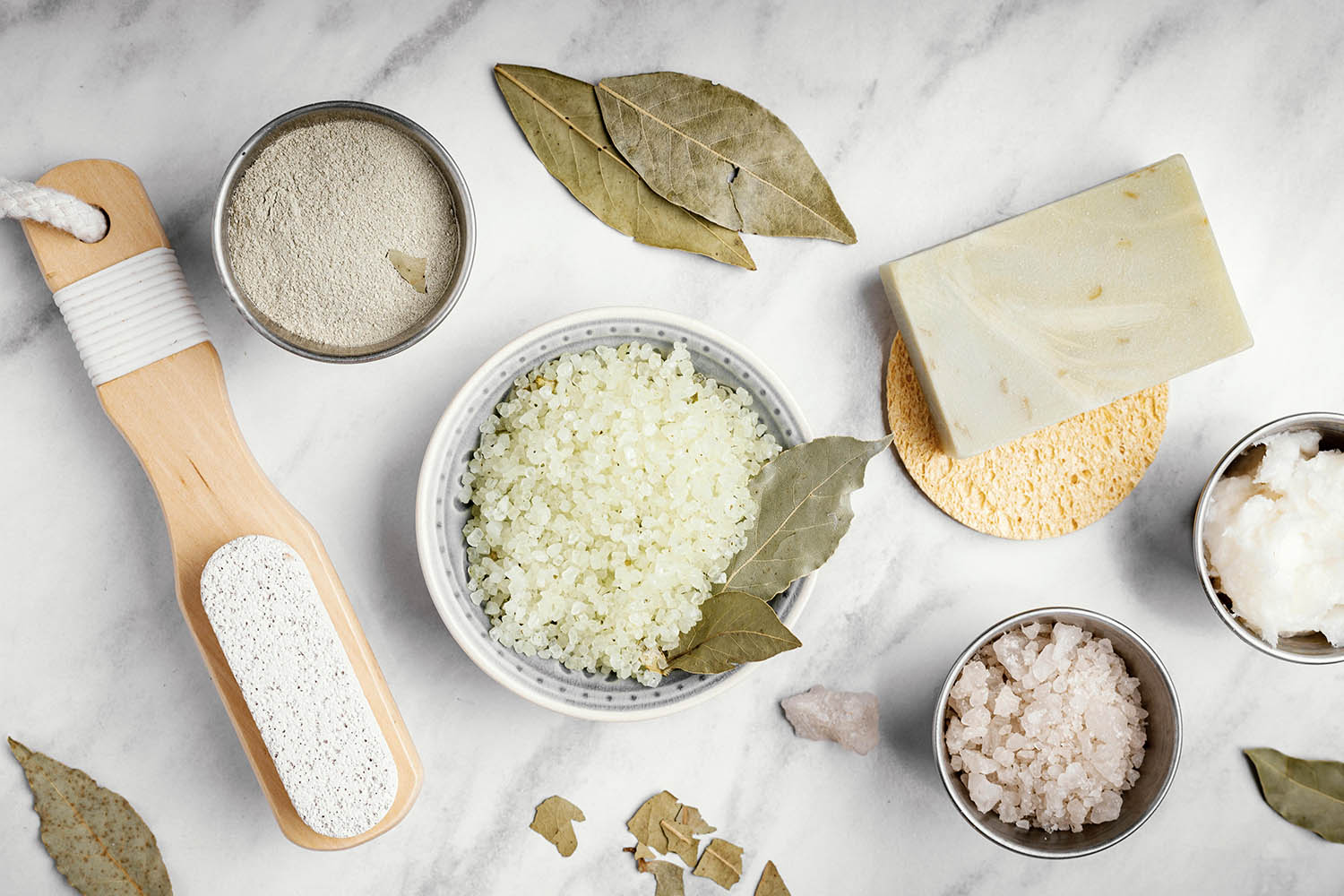
A Guide to Using Food Ingredients in Soap Making
Honey, oats, coffee, milk, and fruit purées can give handmade soap a distinctive look and story. They can also change how a batch heats, thickens, hardens, and stores. An ingredient that works well in food does not automatically work well in soap.
This guide explains what popular food ingredients can contribute, how their use differs between cold process and melt and pour soap, and what to consider before adding them to a formula.
Start with the Soap-Making Method
Cold process soap is made by combining oils with a calculated amount of sodium hydroxide solution. Ingredients such as honey, milk, or purée can be incorporated into a properly designed formula, but their sugars and water content may affect the process. The recipe must still be calculated for its oils, and the batch must be made and assessed safely.
Melt and pour soap starts with a prepared base. You melt and customize that base without carrying out a new saponification process. Fresh milk, fruit, vegetables, and other wet food ingredients are generally poor choices for this method: they can introduce moisture and perishable material into a base that was not designed for them.
Food ingredients should never be treated as a substitute for sodium hydroxide in traditional soap making. Honey, lemon juice, milk, and baking soda cannot simply replace the alkali required by a cold process recipe.
Food Ingredients Commonly Used in Soap
| Ingredient | Why makers use it | Main formulation concern |
|---|---|---|
| Honey | Color, appearance, and a honey-themed bar | Sugars can increase heat and darken the soap |
| Milk | Creamy appearance and a milk soap concept | Can scorch or discolor when mixed with lye |
| Oats | Texture and visual interest | Coarse particles may feel scratchy |
| Coffee | Color, theme, and texture from grounds | Grounds can be abrasive; scent may not remain |
| Fruit or vegetable purée | Color and ingredient story | Added water and sugars can change heating and texture |
| Spices and cocoa | Natural-looking color and speckling | Color may change; some particles may irritate skin |
| Salt or sugar | Specialty bar concepts and formulation effects | Can change texture, working time, and hardness |
The result depends on the complete formula, ingredient quality, processing method, and amount used. Start with a tested recipe rather than adding food ingredients freely to an existing batch.
1. Honey in Soap Making
Honey is a popular addition to cold process soap, especially in bars paired with oats or a warm-colored design. It contains sugars, which can make the soap batter heat up more than expected. An overheated batch may darken, crack, or develop an uneven appearance.
Use a recipe designed for honey and follow its instructions for incorporation and temperature control. A simple mold and an uncomplicated design make it easier to manage a first honey soap batch.
Honey will not necessarily make the finished bar smell like honey. If a honey scent is important to the design, choose a fragrance suitable for soap and use it within the supplier’s recommended limit.
2. Milk in Soap Making
Goat milk and other milks are often used to create milk-themed cold process bars. Milk contains water along with sugars and other components that can react to the heat generated when sodium hydroxide dissolves.
Milk soap recipes commonly use cooling methods, such as carefully working with chilled or frozen milk, to help manage temperature. Follow a tested milk soap recipe exactly, wear appropriate protective equipment, and work in a suitable area. Avoid assuming that milk can be swapped for water in any soap recipe without considering the rest of the formula and method.
For melt and pour soap, choose a commercially prepared base formulated and sold as a milk soap base. Pouring fresh milk into ordinary melted base can introduce spoilage and stability problems.
3. Oats in Soap Making
Oats are used to add a recognizable appearance and texture to soap. Finely milled or colloidal oatmeal gives a different result from whole or coarsely ground oats. Large pieces may feel rough on the skin and can make a bar less pleasant to use.
Choose a particle size that suits the intended application and follow a tested usage level. Oatmeal may also absorb liquid and affect how the soap batter moves, particularly when combined with other additives.
An oat-themed soap can be described by its ingredients and cleansing use without promising that it will treat a skin condition. Such claims require a different level of substantiation and may affect how the product is regulated.
4. Coffee in Soap Making
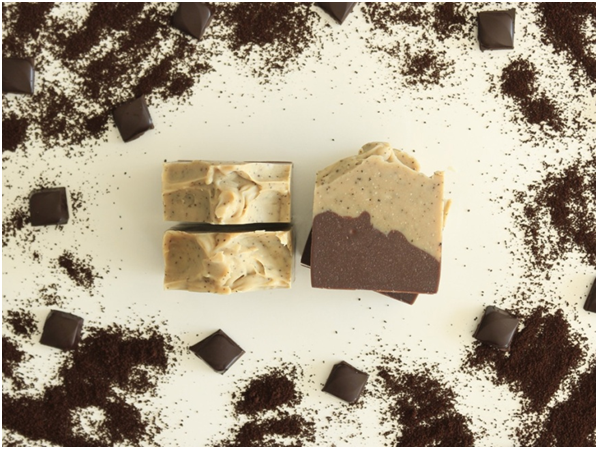
Coffee can contribute a brown tone or a distinctive speckled appearance. Some makers use brewed coffee as part of a cold process recipe’s liquid, while others add a small amount of coffee grounds for texture. These are different approaches and should not be substituted for one another without adjusting the recipe.
Use grounds cautiously: too many, or grounds that are too coarse, can make the bar abrasive. Coffee’s aroma may change or fade during soap making, so do not assume the finished bar will retain a strong fresh-coffee smell.
As with other liquids used in place of water, account for brewed coffee in the recipe’s total liquid amount and follow a tested method.
5. Fruit and Vegetable Purées
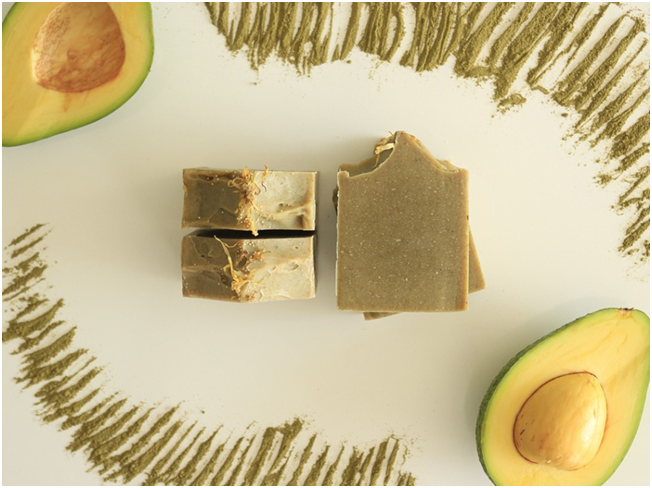
Ingredients such as pumpkin, carrot, or avocado purée can add color and support a particular soap concept. In cold process soap, their water content must be considered as part of the overall formula. Naturally occurring sugars may also increase heat during production.
A purée can change color in the alkaline soap mixture. A bright ingredient will not necessarily produce a bright bar. Test a small batch before planning a large production run or relying on a particular finished color.
Fresh purées should generally not be added to melt and pour soap base. The prepared base has not been formulated for freely added, perishable wet ingredients.
Keep avocado purée and avocado oil distinct in your calculations. Avocado oil contributes to the recipe’s oil blend and affects its sodium hydroxide requirement. Avocado purée is a separate additive with its own water and solids.
6. Cocoa, Cinnamon, and Other Spices
Cocoa powder can give soap a brown color or a speckled design. Other culinary powders may create warm tones, but their appearance can change in soap’s alkaline environment.
Use spices carefully. A powder that is pleasant in food may feel irritating or abrasive in a cleansing bar, especially at a high concentration or with large particles. Test small amounts and evaluate the finished bar rather than assuming that a “natural” ingredient is suitable for every skin type.
Powdered ingredients should be distributed evenly to reduce clumps and streaks. Follow a method appropriate to your chosen soap base.
7. Salt and Sugar
Salt and sugar are used in some specialty soap formulas, but they do not work as universal improvements to every recipe. Salt can affect the structure and hardness of a bar. Sugar can affect how a batch heats and behaves during mixing.
These ingredients are best introduced through a recipe developed for them. Adding a large amount to an ordinary cold process or melt and pour formula may produce a result that is difficult to mold, cut, or use.
Can Food Ingredients Spoil in Soap?
The answer depends on the ingredient, soap-making method, formula, and storage conditions. A finished cold process bar is very different from fresh food, but that does not mean every added ingredient is automatically stable or that poor manufacturing practices are harmless.
Extra water, fresh ingredients, contaminated raw materials, and unsuitable packaging can create quality or microbiological concerns. A prepared melt and pour base is particularly unsuitable for casual additions of fresh purée or milk.
If soap is being developed for sale, keep records of the full formula and ingredients, evaluate the finished product, and establish its stability and appropriate shelf life. Do not promise a shelf life based solely on the shelf life of an unmodified base.
How to Choose a Food Ingredient for Your First Experiment
- Choose the method first. Decide whether you are making cold process soap or customizing a melt and pour base.
- Define the ingredient’s purpose. Are you adding it for color, texture, scent, or product presentation?
- Find a tested formula. Check whether it accounts for extra liquid, sugars, and possible changes in heat.
- Make a small batch. Change one variable at a time and record exact weights.
- Observe the finished soap. Check appearance, odor, texture, and how the bar behaves during storage and use.
For beginners, a simple bar with a modest amount of appropriately prepared oatmeal or cocoa powder may be easier to evaluate than a formula containing several fresh ingredients at once. Select a tested recipe for the specific additive and method you want to use.
Common Mistakes to Avoid
Adding a Fresh Ingredient Without Adjusting the Formula
Milk, brewed coffee, and purées introduce liquid. A cold process recipe must account for that liquid rather than treating it as an unlimited extra addition.
Assuming Food-Safe Means Soap-Safe
An ingredient suitable for eating may be too coarse, unstable, or irritating in a cleansing bar. Its behavior in soap must be evaluated separately.
Adding Fresh Fruit or Milk to Melt and Pour Base
Melt and pour bases are prepared formulations. Fresh, perishable ingredients can affect their stability and appearance. Use a commercially formulated specialty base when you want a milk- or fruit-inspired product.
Expecting Food Aromas to Survive Soap Making
The smell of brewed coffee, fruit, or honey may weaken or change in the finished soap. An ingredient’s presence does not guarantee a matching fragrance.
Making Unsupported Skin Claims
Describe what an ingredient is and what the bar is intended to do. Do not claim that a food-infused soap treats eczema, acne, infections, or other conditions without an appropriate product development and regulatory basis.
Final Thoughts
Food ingredients can make handmade soap visually distinctive, but successful use starts with formulation. Consider their moisture, sugar content, particle size, and behavior in your chosen method. Begin with one ingredient and a tested recipe, document the results, and evaluate the finished bar before making a larger batch.