
 Soap Bases
 Scents
 Oils
Oils Dyes
Dyes Equipment and Accessories
 Cosmetic Clays
What Are Glycerin Rivers in Soap and How Can You Prevent Them?

What Are Glycerin Rivers in Soap and How Can You Prevent Them?
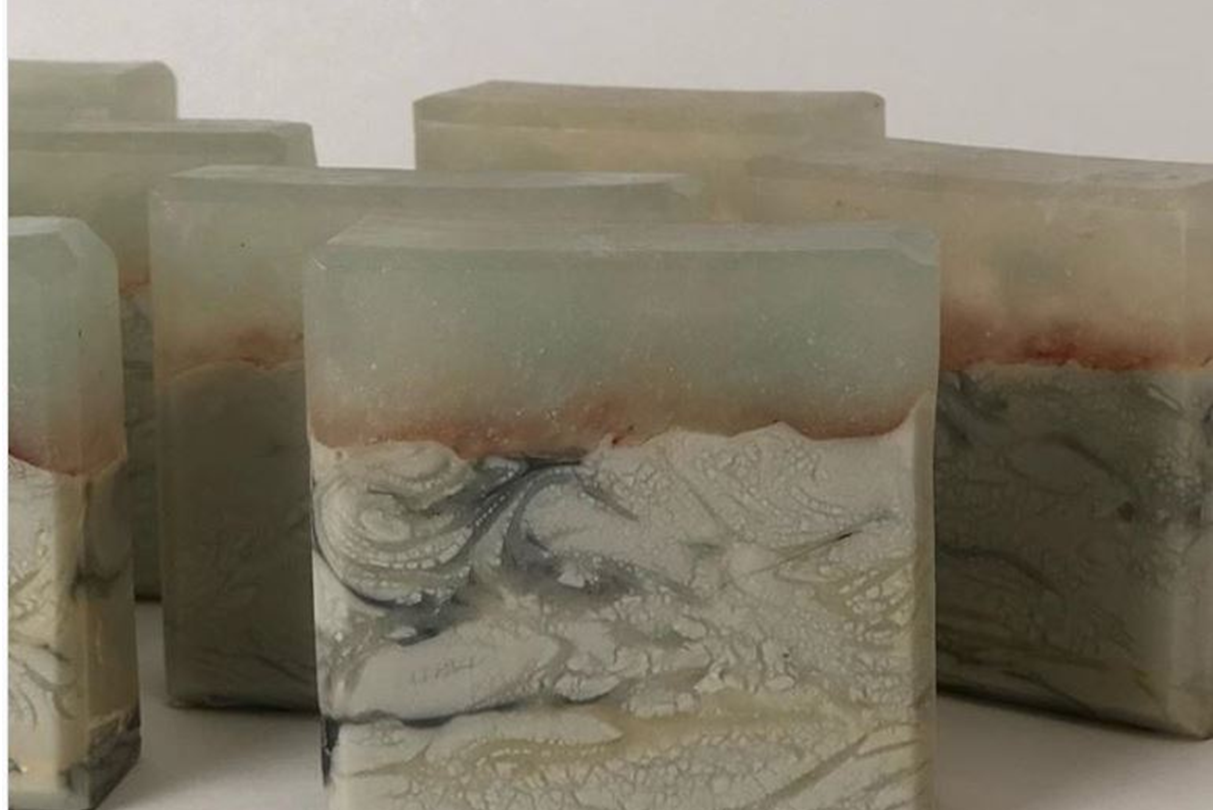
You cut a cold process soap loaf expecting smooth, even-colored bars, but find pale, translucent lines winding through the inside. Soap makers commonly call these patterns glycerin rivers.
Glycerin rivers are usually a visual issue rather than a sign that the soap has failed. They often appear when a batch becomes hot during saponification, particularly in recipes with generous amounts of water or strongly lightened sections. This guide explains what to look for, why the patterns develop, and how to reduce them in future batches.
What Do Glycerin Rivers Look Like?
Glycerin rivers appear as irregular streaks, channels, or vein-like patterns inside a cut soap bar. They can look slightly translucent or darker than the surrounding soap. In a white or pastel section, they may resemble thin gray lines or a marbled network.
The pattern is often most noticeable after cutting the loaf. A molded soap may look smooth on the outside while the interior shows distinct lines. The name describes the appearance of the pattern; you cannot confirm the composition of an individual streak just by looking at it.
Glycerin rivers are most often discussed in cold process soap. They are different from glycerin dew, which appears as moisture on the outside of a bar.
Why Do Glycerin Rivers Form?
Cold process soap generates heat as oils and sodium hydroxide react. Some batches enter a stage called gel phase, during which part or all of the loaf becomes hotter and more translucent before cooling.
When the batch becomes especially hot, differences in the appearance of its internal structure can become more visible after cutting. Soap makers refer to the resulting streaks as glycerin rivers. Heat is a major factor, but the full recipe and processing conditions affect whether a particular batch develops them.
The following conditions are commonly associated with a higher chance of visible rivers:
- A soap loaf that becomes very hot in its mold
- Heavy insulation or an added heat source when the recipe is already heating strongly
- A relatively high amount of water in the formula
- Large amounts of titanium dioxide used to make sections white
- Ingredients or fragrances that encourage a hotter batch
These factors can overlap. A heavily insulated loaf with a high-water recipe and a white titanium dioxide section may behave differently from a small, uninsulated batch made with the same oils.
The Role of Water in Glycerin Rivers
The water amount influences how cold process soap mixes, heats, hardens, and cures. Recipes using more water may be more prone to visible glycerin rivers, particularly when combined with high heat.
One prevention method is a moderate water discount: using less water than a recipe’s original setting while retaining the correct calculated sodium hydroxide amount. This should be done with a soap calculator and a clear understanding of the formula.
Do not reduce water at random. Too little water can make the lye harder to dissolve and the soap batter less forgiving to work with. A water discount may also change trace speed and gel behavior. If you are new to cold process soap, begin with a tested recipe and change only one variable at a time.
Why Titanium Dioxide Can Make Rivers More Visible
Titanium dioxide is a white pigment commonly used to lighten cold process soap. Glycerin rivers can show up clearly in white sections because the contrast makes translucent or grayish patterns easier to see.
Using a large amount of titanium dioxide, especially in a batch that gets hot, may make the effect more noticeable. Disperse the pigment thoroughly according to its supplier’s instructions and use only the amount needed for your design.
Titanium dioxide is not the only factor. A white section can develop rivers because of the combined effects of pigment, water, heat, and the overall recipe.
Does Gel Phase Always Cause Glycerin Rivers?
No. Many cold process batches go through gel phase without developing obvious rivers. Gel phase can produce a more even or vivid color in some designs, and soap makers may deliberately encourage it.
The concern is excessive heat or uneven heat management in a formula that is prone to rivers. The goal is to understand how your particular recipe behaves, rather than assuming that every gelled loaf will have a problem.
How to Prevent Glycerin Rivers in Cold Process Soap
1. Keep Better Control of Batch Temperature
Follow a tested recipe’s guidance for the temperatures of the oils and lye solution. If a formula has previously developed rivers, making the next batch under somewhat cooler conditions may help.
Room temperature, batch size, mold material, and additives can all affect how much heat the loaf retains. Record these conditions along with your ingredient weights so you can compare one batch with the next.
2. Insulate Only When the Recipe Needs It
Wrapping a mold heavily or using a heating pad encourages heat retention. That may be useful for some soap designs, but a formula that already becomes hot may not need additional insulation.
If you use milk, honey, fruit purée, or another ingredient that tends to increase heat, pay particular attention to the loaf after pouring. Use a mold and cooling approach appropriate to the tested recipe.
3. Review the Water Amount
If glycerin rivers repeatedly appear, review the recipe’s water setting in your soap calculator. A carefully planned reduction in water may help some formulations.
Keep the sodium hydroxide calculation tied to the exact oils and intended superfat. Adjusting water and changing the lye amount are different decisions. Document any change so you can judge whether it improves the finished bar.
4. Use Titanium Dioxide Thoughtfully
Disperse titanium dioxide evenly and avoid adding more than your design requires. Consider testing a small batch with less pigment if the rivers consistently appear in the white section.
If you change the pigment amount, keep the other variables the same where practical. That will make it easier to tell whether pigment level was part of the issue.
5. Watch Ingredients That Increase Heat
Sugary additions such as honey, milk, and fruit purées can make a batch heat up more. Some fragrances also change how quickly a batter thickens or heats.
Check supplier performance notes when available. For a first attempt with a new additive, choose a straightforward design and a tested formula rather than combining several unfamiliar ingredients.
6. Compare Small Test Batches
When rivers appear repeatedly, a small controlled test can be more useful than changing everything at once. Make one batch with the original process and another with a single adjustment, such as less insulation or a revised water setting.
Compare the cut bars after the same curing period. Note the mold type, room conditions, temperatures, pigment amount, water setting, and whether gel phase occurred.
Are Glycerin Rivers Safe?
When a batch has been correctly calculated and made, glycerin rivers are generally considered a cosmetic variation. They do not by themselves prove that the soap contains too much lye or is unsuitable to use.
However, appearance alone cannot verify the safety of a homemade soap batch. If you also notice oil separation, pockets of liquid, unusual brittleness, or suspect a weighing error, set the soap aside and assess that separate issue. Do not treat every unusual line or pocket as a harmless glycerin river.
Can You Remove Glycerin Rivers After the Soap Has Hardened?
Rivers are usually part of the internal appearance of the bar. Washing or polishing the surface will not remove patterns running through the loaf.
If the soap is otherwise correctly made and suitable for use, you may choose to keep the marbled appearance. For future batches, focus on the process factors you can control: heat, water, pigment, and insulation.
Glycerin Rivers vs. Glycerin Dew
| Feature | Glycerin rivers | Glycerin dew |
|---|---|---|
| Appearance | Irregular lines or translucent patterns inside the bar | Moisture droplets or a damp film on the surface |
| Usually associated with | Cold process soap | Melt and pour soap |
| Main condition | Heat and formulation during soap making | Moisture attracted from humid air |
| Typical prevention approach | Manage heat, water, pigment, and insulation | Cool fully, wrap promptly, and store dry |
These issues have similar names but need different solutions. Wrapping a finished cold process bar will not remove rivers inside it, and changing a cold process recipe’s water setting will not solve surface dew on an exposed melt and pour bar.
Final Thoughts
Glycerin rivers are vein-like patterns that can appear inside cold process soap, particularly when a batch becomes hot. Water amount and strongly pigmented white sections may also influence how visible they are.
To reduce the chance of rivers, use a tested formula, monitor heat, avoid unnecessary insulation, disperse pigments well, and make any water adjustment through a soap calculator. Keep clear batch notes: they are the most reliable way to learn which change improves your particular soap.