
 Soap Bases
 Scents
 Oils
Oils Dyes
Dyes Equipment and Accessories
 Cosmetic Clays
Lye Safety in Soap Making: A Practical Guide for Beginners

Lye Safety in Soap Making: A Practical Guide for Beginners
Sodium hydroxide and potassium hydroxide make traditional soap possible, but both require careful handling. Before they react with oils, these strong alkalis can cause serious burns to the skin and eyes. Preparing a lye solution also releases heat.
Safe soap making begins before you open the lye container. You need a suitable workspace, protective equipment, accurate measurements, and a plan for handling spills or accidental contact. This guide covers the essential precautions for home and small-batch soap makers.
What Is Lye in Soap Making?
Lye is the common soap-making name for a strong alkali. The two most commonly used are:
- Sodium hydroxide (NaOH): Commonly used to make solid soap bars.
- Potassium hydroxide (KOH): Commonly used to make liquid soap.
In traditional soap making, an alkali reacts with fats or oils through saponification. The amount required depends on the oils and the type of alkali. Sodium hydroxide and potassium hydroxide cannot simply be exchanged gram for gram in a recipe.
When a soap formula is calculated and made correctly, the finished product should not contain an unsafe excess of free alkali. That does not make raw lye or fresh soap batter safe to touch. Treat them as hazardous throughout mixing, pouring, and cleanup.
Why Is Lye Safety Important?
Dry lye, lye solution, and fresh soap batter can expose you to caustic material. Contact with the eyes may cause serious injury. Skin exposure can cause chemical burns, and breathing dust or mist can irritate the respiratory system.
Dissolving lye in water also generates considerable heat. A container may become hot, and careless mixing can lead to splashing. Safe technique reduces the chance of exposure, but you should still know what to do if an accident occurs.
Protective Equipment for Soap Making
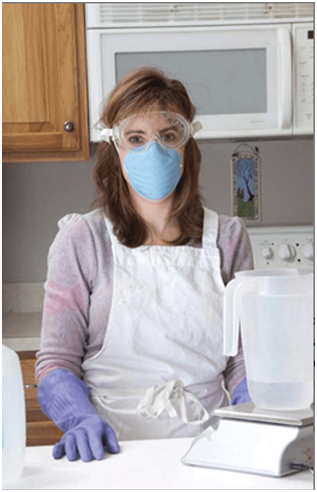
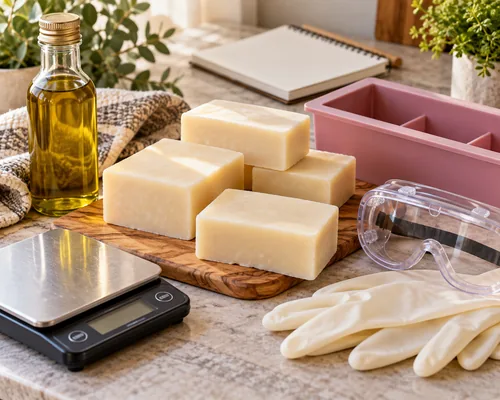
Put on protective equipment before measuring or opening lye. Keep it on while preparing the solution, mixing the soap, pouring the batter, and cleaning contaminated equipment.
- Chemical splash goggles: Protect the eyes from droplets and splashes. Ordinary reading glasses do not provide the same coverage.
- Suitable gloves: Choose gloves appropriate for handling the alkali and replace them if damaged or contaminated inside.
- Long sleeves and an apron: Cover exposed skin and protect clothing from splashes.
- Closed-toe shoes: Protect your feet if a container is dropped or spilled.
Before starting, locate a source of running water that you can reach immediately. Do not begin a lye-based project in a place where you could not promptly rinse an exposure.
Prepare a Safe Workspace
Choose a stable, uncluttered work surface with good ventilation. Keep food, drinks, children, pets, and unnecessary items away from the area. Avoid working where someone might mistake a lye solution for a beverage.
Set out your mold, measured oils, and compatible equipment before handling lye. Make sure you have enough time to finish the work without rushing or leaving an open batch unattended.
Keep the manufacturer’s Safety Data Sheet (SDS) available for the exact sodium hydroxide or potassium hydroxide product you are using. It provides product-specific guidance on handling, storage, first aid, and accidental release.
Use Suitable Containers and Tools
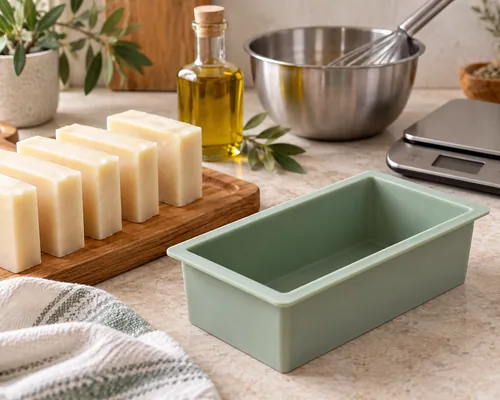
Choose containers and utensils that are appropriate for hot, caustic solutions. Check the material specifications of your equipment rather than assuming every plastic or glass item is suitable.
Do not use aluminum. Sodium hydroxide and potassium hydroxide can react with certain metals, including aluminum. Avoid containers or utensils if you are unsure whether their material is compatible.
Label containers used for lye solution clearly. Do not use an unlabeled cup, bottle, or pitcher that someone else could mistake for an ordinary household container.
How to Mix Lye and Water Safely
- Confirm the exact water and lye weights from a tested recipe and suitable soap calculator.
- Put on goggles, gloves, and protective clothing.
- Weigh the water into a suitable container.
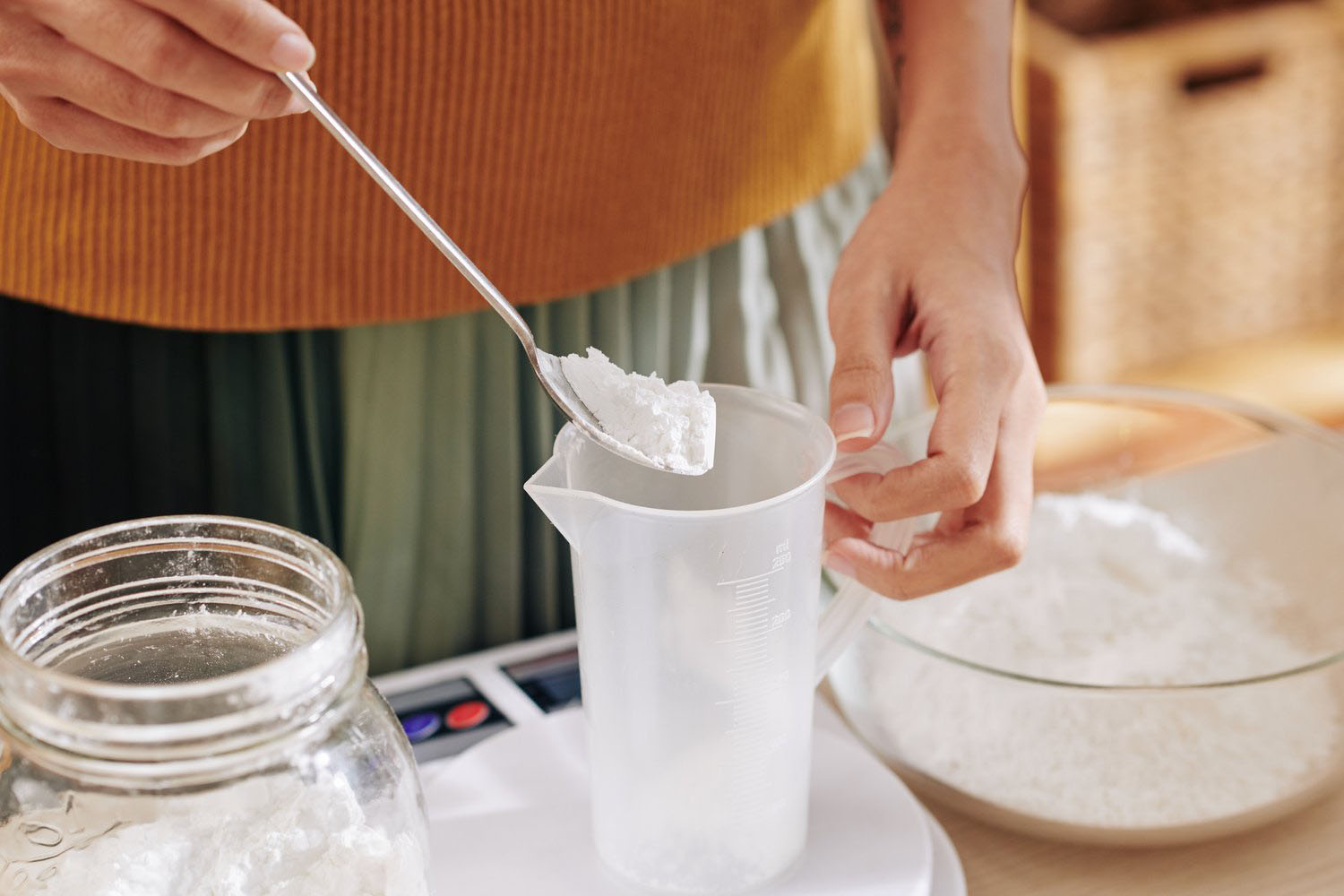
- Weigh the lye separately, avoiding dust and spills.
- Slowly add the lye to the water while stirring carefully.
- Continue stirring until the lye has dissolved.
- Place the container in a secure location to cool, following the recipe’s instructions.
Always add lye to water; never pour water onto a pile of lye. Mixing generates heat. Work carefully, keep your face away from the container, and avoid inhaling dust or mist.
Do not substitute an arbitrary amount of water or lye. Weigh both accurately and recalculate the recipe whenever you change its oils.
Handling Fresh Soap Batter
Once you combine the lye solution with oils, the soap batter still requires careful handling. Continue wearing your goggles and gloves while blending, adding ingredients, pouring, and moving the mold.
Keep the blender head below the batter’s surface to reduce splashing. Place the filled mold somewhere secure and clearly identify it as fresh soap. Keep children and pets away from the mold while the batch develops.
Do not test fresh batter by touching or tasting it. If you suspect a formulation or measurement error, set the batch aside and assess it using appropriate methods.
What to Do if Lye Gets on Your Skin
Immediately rinse the affected skin with plenty of running, room-temperature water. Remove contaminated clothing while rinsing, taking care not to spread the material to unaffected skin. Continue flushing for at least 15–20 minutes and seek medical advice, especially if there is pain, visible irritation, or a substantial exposure.
Do not apply vinegar or another acid to your skin to “neutralize” lye. Neutralization can generate heat and delay the water rinsing that is needed immediately.
What to Do if Lye Gets in Your Eye
Begin rinsing the eye immediately with plenty of gently running, room-temperature water. Hold the eyelids open as well as you can and continue rinsing while arranging urgent medical assessment. Do not delay rinsing to look for another product or a neutralizing solution.
An alkali splash to the eye is a medical emergency, even if the amount seems small. Follow the advice of emergency medical personnel and the product’s SDS. Do not put vinegar or other chemicals into the eye.
What About Inhalation or Swallowing?
If someone breathes lye dust or mist and develops coughing or breathing difficulty, move away from the exposure and seek medical advice promptly. Do not re-enter a contaminated area without appropriate protection.
If lye is swallowed, seek emergency medical help immediately. Do not induce vomiting or attempt to neutralize it with an acid. Provide the product name or container information to medical personnel.
How to Store Lye Safely
- Keep lye in its original, clearly labeled, tightly closed container.
- Store it somewhere dry and secure, away from children, pets, and food.
- Keep it separate from incompatible materials according to its SDS.
- Do not transfer it into a drink bottle or food container.
- Check the container before use for damage, moisture, or spilled material.
Lye can absorb moisture from the air, so close its container promptly after measuring. Store your soap-making notes separately from the chemical container, but make sure the correct product information remains easy to find.
Spills and Cleanup
Keep goggles and gloves on while cleaning equipment that may contain lye solution or fresh batter. Prevent other people from entering the work area until contaminated surfaces have been dealt with.
For a spill, follow the product SDS and the procedures appropriate to its size and location. Do not improvise by pouring vinegar onto a lye spill. A larger spill, a spill involving a drain or incompatible material, or any spill you cannot manage safely calls for appropriate professional assistance.
Do not leave unlabeled lye solution or fresh batter in an accessible sink or on a worktop. Finish cleanup before returning the area to ordinary use.
Common Lye Safety Mistakes
Working Without Eye Protection
A single splash can cause serious injury. Put on chemical splash goggles before handling lye and keep them on through cleanup.
Adding Water to Lye
This reverses the safe mixing order and increases the risk of a violent splash. Add lye slowly to measured water.
Measuring Ingredients by Volume
Soap recipes require accurate weights. Use a digital scale and verify the measurement units before combining ingredients.
Using an Unknown Container
A container that looks sturdy may not be compatible with hot caustic solution. Check its material before use and avoid aluminum.
Leaving a Batch Unattended
Fresh batter and lye solution must remain secured and clearly identified. Arrange your workspace so that you can complete each stage without interruptions.
Lye Safety Checklist
- Read the exact product’s SDS and a tested soap recipe.
- Confirm the calculated lye and water weights.
- Prepare goggles, gloves, protective clothing, and a clear workspace.
- Check that containers and tools are compatible with lye.
- Locate running water before beginning.
- Keep children, pets, food, and drinks away.
- Add lye slowly to water, never the reverse.
- Keep protective equipment on through pouring and cleanup.
- Secure and label any fresh soap or lye solution.
Final Thoughts
Lye is an essential ingredient in traditional soap making, and it must be handled with respect. Accurate weighing, chemical splash goggles, suitable gloves, compatible equipment, and the correct mixing order make the process more controlled.
Prepare for an accidental exposure before it happens: know where your running water is, keep the product’s SDS available, and seek prompt medical help for eye exposure, serious skin exposure, breathing problems, or swallowing. Good safety habits should be part of every batch.