 Soap Bases
 Scents
 Oils
 Dyes
 Equipment and Accessories
 Cosmetic Clays
Soap Making Supplies: A Complete Guide for Beginners and Bulk Buyers

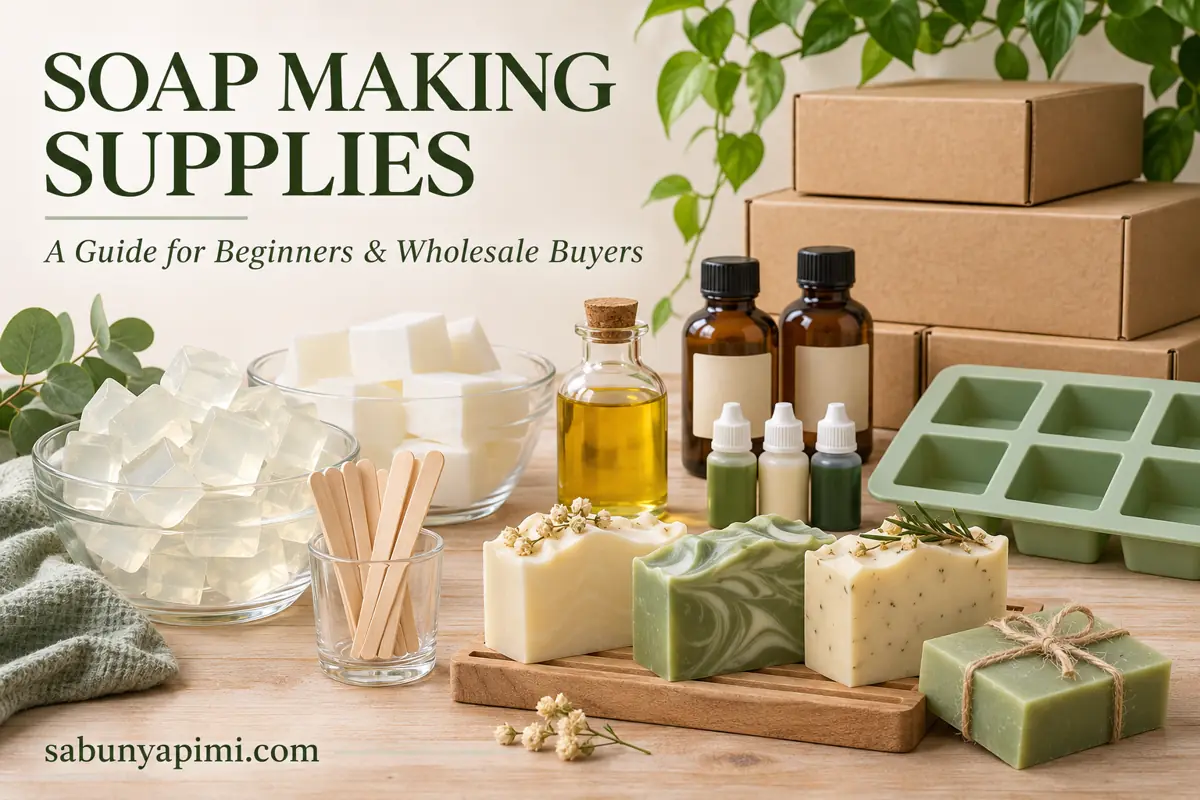
Whether you are planning your first handmade bars, comparing fragrance options or sourcing wholesale soap making supplies for repeat production, this guide explains what to check before ordering.
Essential Soap Making Supplies
A useful shopping list separates ingredients from equipment and packaging. Ingredients become part of the soap. Equipment helps you measure, mix, heat and mold it. Packaging protects the finished product and provides space for the information your customers or gift recipients need.
Before placing an order, choose a recipe or project and read its instructions from beginning to end. Check the required quantities, material specifications and tools. Buying first and choosing a formulation later can leave you with incompatible ingredients or equipment that does not suit your method.
| Supply Category | Examples | What to Check |
|---|---|---|
| Main ingredients | Prepared soap base, oils, fats or the appropriate alkali | Suitability for the selected method and recipe |
| Optional additions | Fragrances, colorants, clays and other additives | Compatibility, usage limits and supplier instructions |
| Equipment | Scales, compatible containers, mixing tools and molds | Capacity, material compatibility and ease of cleaning |
| Protective equipment | Suitable eye protection and gloves where required | Protection appropriate to the materials being handled |
| Finishing materials | Wrapping, labels, bottles, closures and cartons | Compatibility with the finished soap and storage conditions |
Choose Soap Making Supplies for Your Method
Melt and Pour Soap Making
Melt and pour starts with a prepared soap base. Your core supplies are the base, a suitable mold, weighing equipment and a compatible heating container. Soap-compatible colors and fragrances are optional additions that allow you to customize your project.
Explore our transparent melt and pour soap base and opaque white melt and pour soap base when comparing different visual effects. Read our melt and pour soap making guide for an introduction to the method.
Cold Process Soap Making
Cold process requires oils or fats, sodium hydroxide, suitable water and equipment designed for the process. Accurate weighing and an appropriate formulation are essential. Changing an oil changes the alkali calculation, so substitutions should always be checked before production.
Our soap making oil chart and guide to soap making oils and their properties provide background for choosing ingredients. Before handling an alkali, read our lye safety guide.
If you are still deciding between methods, compare the advantages and limitations of different soap making methods before building your shopping list.
What Supplies Do You Need for Liquid Soap Making?
Liquid soap making requires its own formulation and production plan. Traditional liquid soap is generally made with potassium hydroxide rather than the sodium hydroxide commonly used for solid bars. These alkalis cannot be exchanged gram for gram, and the calculation must account for the material being used, including its stated purity.
Your equipment and packaging also need to match the process. Depending on the recipe, you may need compatible heating and mixing equipment, containers for dilution and finished-product bottles with suitable closures. Plan the working capacity of your equipment around the full process, rather than only the initial ingredient weight.
It is also useful to distinguish traditional liquid soap from surfactant-based liquid cleansers. Both may be sold in bottles, but they use different formulation systems. Ingredients should be selected for the actual formula rather than the general product name. Our soap and cosmetic ingredients guide provides a starting point for exploring ingredient categories.
How to Choose Fragrance Oils for Soap Making
When buying fragrance oils for soap making, choose materials documented as suitable for your intended application. A pleasant scent in the bottle does not establish compatibility with a particular soap base, cold process formulation or liquid soap.
Check the supplier’s usage guidance, relevant safety documentation and any available performance notes. For cold process, useful observations include acceleration, discoloration and how the fragrance develops during curing. For melt and pour, check the base manufacturer’s addition limits alongside the fragrance documentation.
A fragrance’s recommended usage level and its applicable safety limit serve different purposes. Use an amount that remains within all relevant restrictions and works in the actual formulation. Test a small batch before purchasing a large quantity.
Record the supplier, product reference, batch number, amount used and your observations. This makes it easier to repeat a successful result or investigate a change. If you want to explore several profiles, view our soap making fragrance oil set and review its current product details.
Choosing Colorants and Optional Additives
Colorants should suit both the soap making method and the appearance you want. A color that looks clear in a transparent base may appear softer in an opaque base. Results can also vary with the oils, fragrance and processing conditions.
Clays, charcoal, dried botanicals and other additions should have a defined purpose in the recipe. More ingredients do not automatically create a better soap. Begin with a simple formulation, then change one variable at a time so you can understand the result.
For further reading, explore our guide to cosmetic clays and soap colorants. If you are considering food-based additions, read about food ingredients in soap making before adding them to a batch.
Should You Buy a Kit or Individual Supplies?
A kit can simplify a first purchase by grouping materials for a particular project. Individual supplies offer more flexibility when you already have equipment or want to repeat a specific recipe. The better option depends on what you own, what you want to make and how much you expect to use.
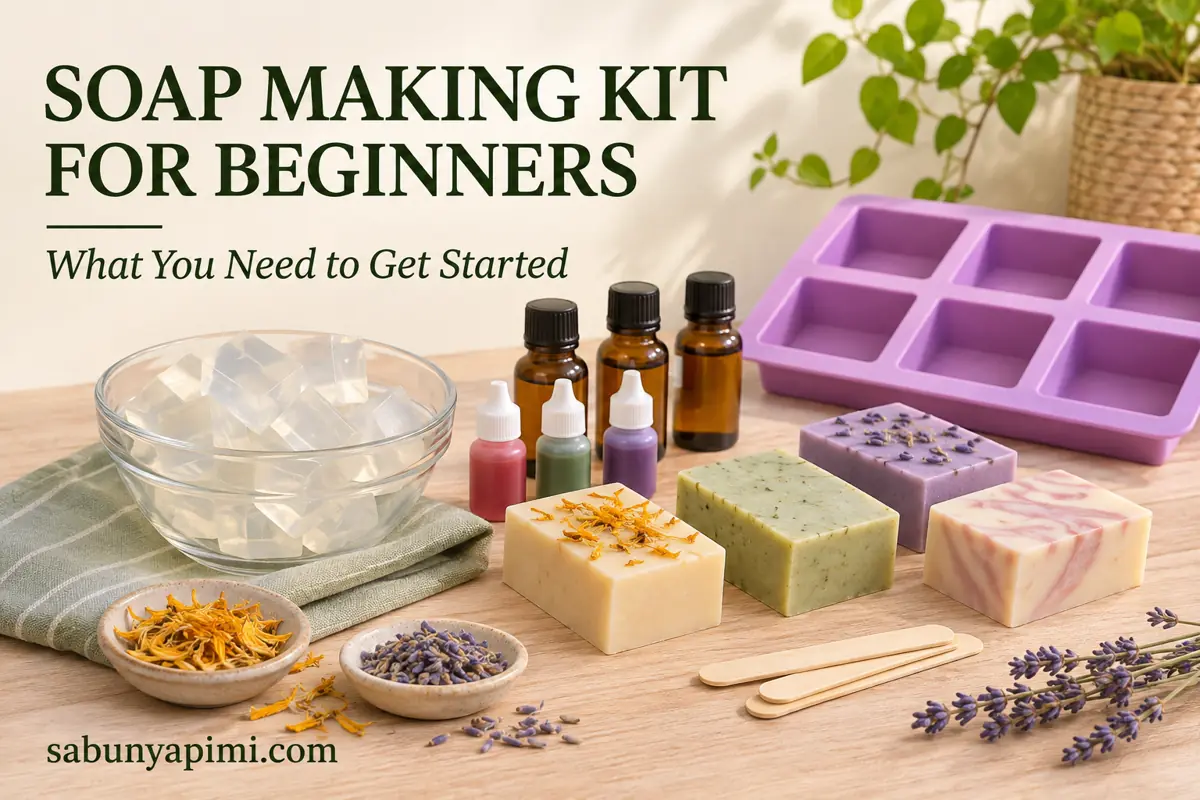
Our Soap Making Kit for Beginners: What You Need to Get Started explains how to review kit contents and identify additional equipment. You can also explore the Melt and Pour Soap Making Kit for a prepared-base project.
Learning materials deserve a place on your shopping list, too. Our article on what to look for in a complete soap making e-book explains how to evaluate a reference guide before choosing one.
How to Buy Wholesale Soap Making Supplies
Buying wholesale soap making supplies can support repeat production, but the lowest unit price is only one part of the decision. Compare the quantity you can use within the recommended storage period, the space available and the total delivered cost.
Ask about minimum order quantities, pack sizes, lead times, batch identification and available product documentation. For imported materials, include freight and applicable import costs in your comparison. Confirm transport arrangements for the specific products and destination before committing to an order.
Test unfamiliar ingredients at a smaller scale before buying in bulk. This is especially useful for fragrances, colorants and bases, where appearance or processing behavior can affect your finished product. Keep purchasing records linked to your production notes so you can trace which materials were used in each batch.
What to Check When Buying Wholesale Soap Making Kits
Wholesale soap making kits can be considered for organized workshops, retail projects and repeated craft activities. Before ordering, define the intended user, method and number of projects each kit should support.
Request a clear contents list and confirm which tools participants must provide separately. Check instructions, ingredient labeling, packaging and any proposed customization. For workshop use, choose a method that matches the supervision, equipment and workspace available.
If you want to discuss a kit sourcing project, contact us with your intended use, required quantity, destination and preferred contents so the options can be evaluated.
Comparing Suppliers and Search Results
When researching suppliers, you may encounter searches such as “wholesale supplies plus.” Wholesale Supplies Plus is a separate supplier name; this article is published by SabunYapimi.com and does not imply an affiliation. When comparing suppliers, focus on the exact materials, specifications and purchasing terms relevant to your project.
Compare equivalent pack sizes and material types, then review documentation, shipping arrangements and technical information. A useful supplier relationship gives you enough product detail to make informed purchasing and formulation decisions.
Frequently Asked Questions About Soap Making Supplies
What soap making supplies should a beginner buy first?
Choose a method and a project first. For a simple melt and pour project, begin with a suitable soap base, mold, scale and compatible heating equipment. Add colors and fragrance only as directed by the relevant product instructions.
Are the same supplies used for bar soap and liquid soap making?
Some equipment and ingredients may overlap, but the formulations differ. Traditional liquid soap generally uses potassium hydroxide, while solid soap commonly uses sodium hydroxide. Use a recipe and calculation appropriate to the intended product.
Can I use any fragrance oil in handmade soap?
No. Choose fragrance oils documented for the intended soap application, follow applicable usage restrictions and test their performance in your formulation.
Is buying wholesale soap making supplies always cheaper?
A larger pack may reduce the price per kilogram, but your total cost also includes delivery, storage and potential waste. Compare quantities you can realistically use rather than buying more solely for a lower unit price.
Where can I find guidance before buying ingredients?
Start with our soap making blog. For a longer reference, review the product information for our Soap Making Guide E-Book (PDF) – 200+ Page Complete Guide.
Wholesale Soap Making Supplies and Bulk Enquiries
For wholesale soap making supplies, bulk ingredient purchases and wholesale soap making kit enquiries, contact SabunYapimi.com with your product list, required quantities and delivery destination. Whether you are sourcing soap bases, fragrance oils for soap making, molds or other soap making materials, we can review your requirements and confirm available options, pack sizes and supply terms. Please include your intended application so your wholesale enquiry can be evaluated against the materials your project needs.