 Soap Bases
 Scents
 Oils
 Dyes
 Equipment and Accessories
 Cosmetic Clays
Soap Making E-Book: What to Look for in a Complete PDF Guide

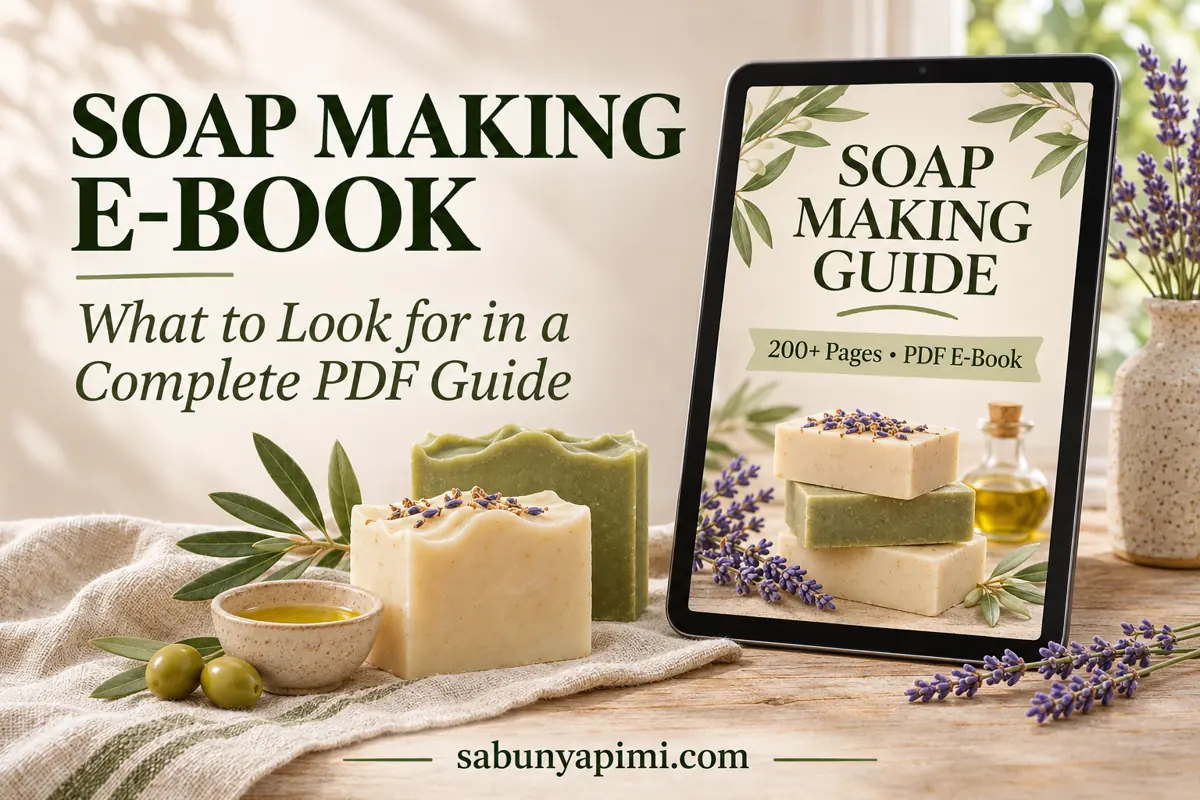
Before choosing a guide, look at how it explains the process, how clearly it presents its recipes and whether it remains useful after your first successful batch. Here is what to look for in a complete soap making PDF guide.
A Clear Introduction to Soap Making Methods
A useful guide starts by explaining the different ways to make soap. Cold process, hot process and melt and pour involve different procedures, equipment and waiting times. Understanding these differences helps you choose a starting point that suits your experience and the type of soap you want to create.
The guide should also distinguish between making soap from oils and an alkali and working with a ready-made soap base. If you are comparing your options, explore our overview of soap making methods and their pros and cons. For a closer look at working with prepared bases, read our introduction to melt and pour soap making.
Safety Instructions That Come Before the Recipes
Safety should be easy to find and clearly explained. A soap making e-book that covers working with sodium hydroxide or potassium hydroxide should discuss suitable protective equipment, workspace preparation, compatible containers and safe handling procedures before asking you to begin a batch.
Look for precise instructions rather than a brief warning at the end of a recipe. The guide should explain why accurate weighing matters and why changing an oil requires recalculating the alkali amount. Our lye safety guide for soap making is a useful supporting resource to read before working with an alkali.
Ingredient Explanations That Help You Make Decisions
A recipe tells you what to use. A well-written guide also explains why those ingredients were selected. Different oils contribute different fatty acid profiles, which influence the characteristics of the finished soap. Understanding these differences helps you make informed choices instead of substituting ingredients by guesswork.
Look for explanations of base oils, butters, fragrances, colorants and optional additives. A guide should distinguish between an ingredient’s role in soap and its use in other cosmetic products, rather than assuming that every cosmetic ingredient performs equally well in a soap formulation.
For supporting information, consult our soap making oil chart and our guide to soap making oils and their properties.
Complete Recipes with Accurate Measurements
Recipes are easier to follow when they include ingredient weights, batch size, equipment requirements and a clear production sequence. For soap made from scratch, the oil blend, alkali type, alkali quantity and water amount should be stated clearly. Relevant assumptions, including alkali purity and the intended superfat, should also be explained.
A complete soap making PDF guide should encourage you to verify formulations with an appropriate soap calculator, particularly when scaling a batch or changing ingredients. Substituting one oil for another by weight does not automatically preserve the correct alkali requirement.
If the term is unfamiliar, our explanation of superfat in soap making provides useful background for understanding recipe design.
Step-by-Step Instructions with Practical Checkpoints
A useful e-book explains what to observe as well as what to do. Instructions should help you recognize the stages of mixing, understand when the batter is ready for the next step and identify changes that may require attention.
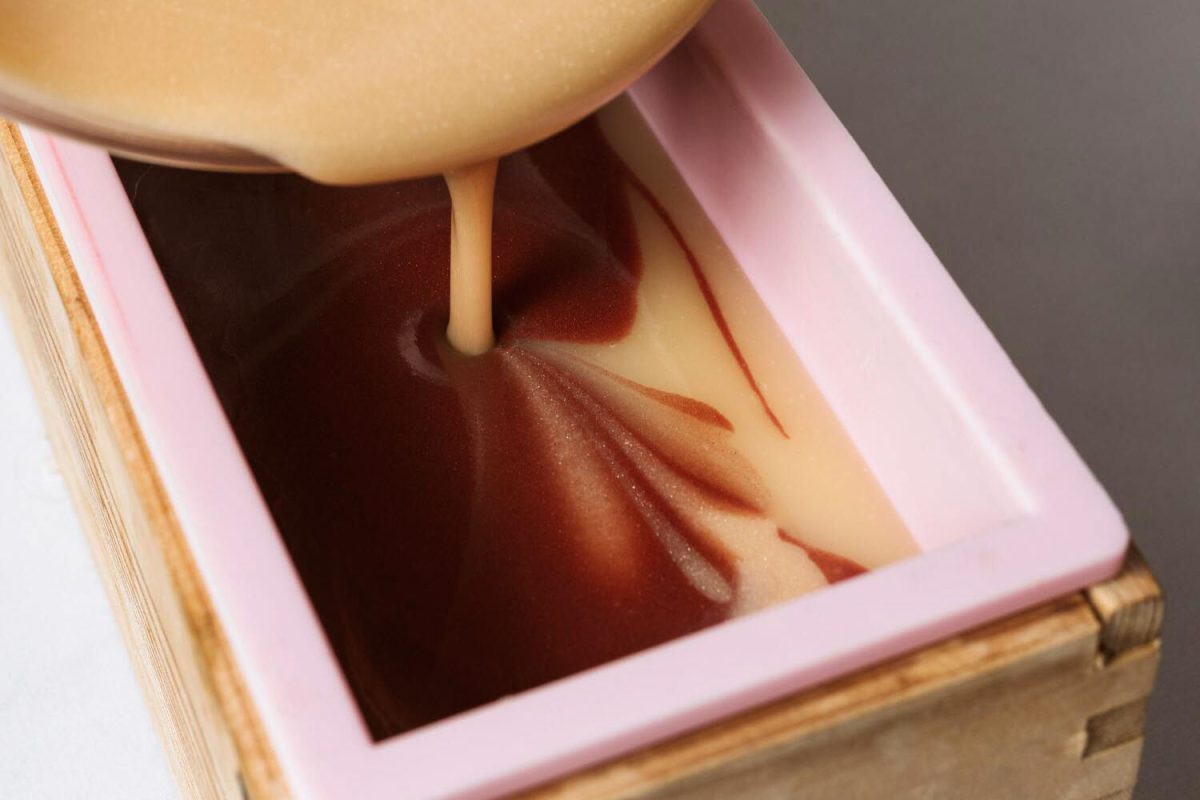
Clear photographs, diagrams or well-written descriptions can make these stages easier to understand. Look for practical checkpoints that connect the instructions to what is happening in your mixing container and mold. Our cold process soap making guide for beginners offers a helpful starting point for exploring this method.
Guidance on Unmolding, Curing and Storage
A soap making guide should continue beyond pouring the batter into a mold. Unmolding, cutting, curing and storage are part of producing a usable finished bar. The text should explain that a bar becoming firm enough to unmold does not, by itself, demonstrate that it is ready to use.
Look for a clear distinction between saponification and curing, along with guidance on airflow, spacing and batch records. Curing advice should account for differences between formulations rather than promise one exact waiting period for every soap.
Troubleshooting That Explains Possible Causes
A complete guide remains useful when something goes wrong. It should help you investigate unexpected results, consider more than one possible cause and decide what information to record for the next batch.
Topics may include soft bars, premature thickening, separation, surface deposits and changes in appearance. Good troubleshooting also distinguishes a cosmetic issue from a formulation or handling problem that needs further evaluation. Our articles on soda ash on soap, glycerin rivers and gel phase in soap making explore several common observations.
A PDF Format You Can Actually Use
Page count is only one part of a guide’s value. Organization matters just as much. A readable table of contents, consistent recipe layouts and clearly labeled sections make it easier to return to an instruction while planning your next batch.
Check whether the PDF is searchable, readable on your preferred device and suitable for printing if you prefer a paper reference. Preview pages and a detailed contents list can help you judge whether the writing style and level of detail suit your needs.
Choose a Soap Making E-Book That Supports Your Progress
The right guide should help you move from following instructions to understanding your process. Prioritize clear safety guidance, transparent recipe information, ingredient explanations and practical troubleshooting over page count alone.
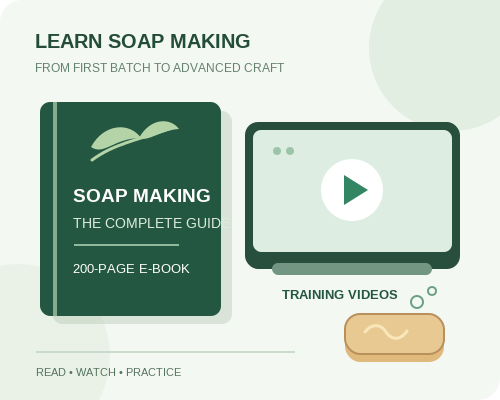
If you are looking for a substantial reference to support your learning, explore our Soap Making Guide E-Book (PDF) – 200+ Page Complete Guide. Review the product description and available previews to see how it fits your experience, interests and learning goals.
https://sabunyapimi.com/en/product/soap-making-guide-ebook/