
 Soap Bases
 Scents
 Oils
Oils Dyes
Dyes Equipment and Accessories
 Cosmetic Clays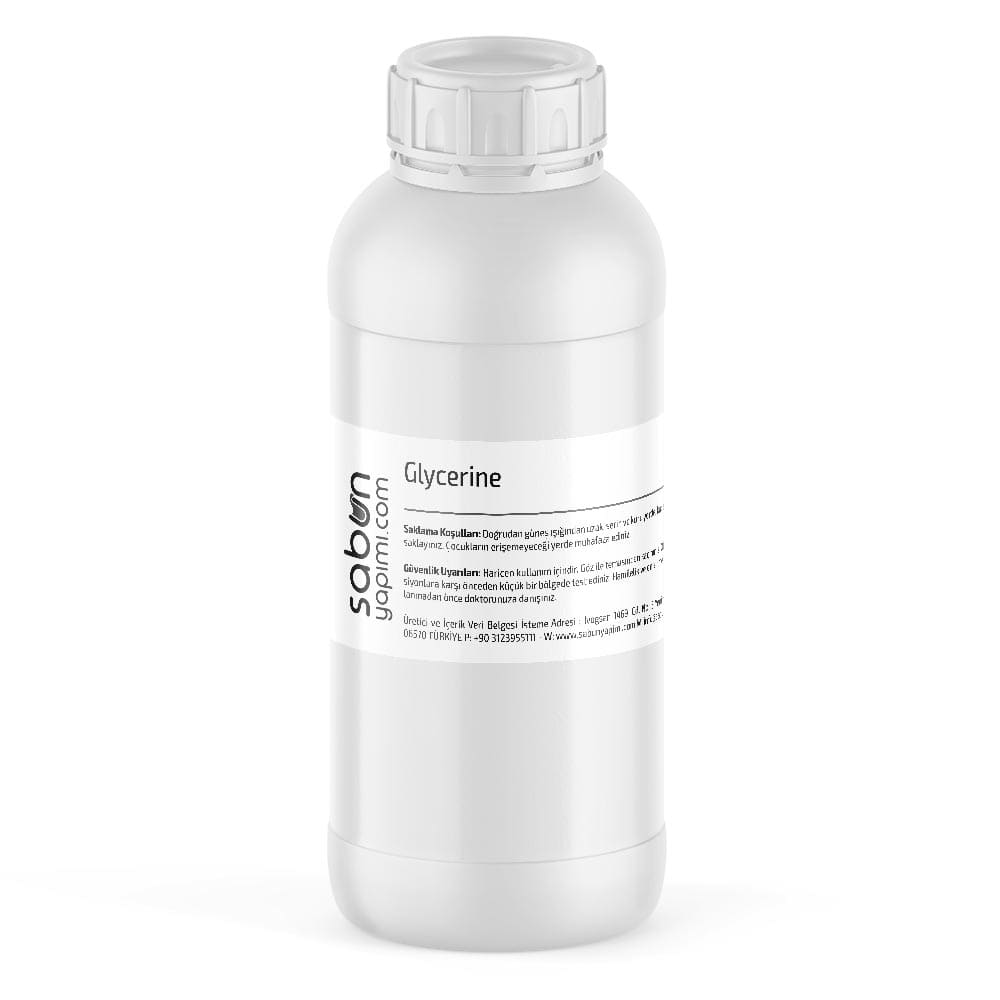
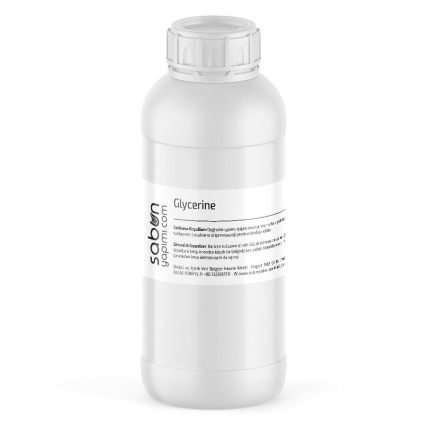
Glycerin 500 g – Humectant for Soap & Skincare Formulations
$18,00
Glycerin is a versatile humectant widely used in soap, skincare, hair-care and cosmetic formulations. It helps attract and retain moisture, improves skin feel and also functions as a solvent for selected cosmetic ingredients. Suitable for creams, lotions, serums, liquid cleansers, shampoos and carefully formulated handmade soaps.
Glycerin 500 g
Humectant for Soap Making, Skincare & Cosmetic Formulations
Glycerin, also known as Glycerol, is a clear, viscous and hygroscopic liquid widely used in cosmetic, personal-care and soap formulations.
Its primary function is as a humectant, meaning it helps attract and retain water within a formulation and at the skin surface.
Glycerin is commonly used in:
- Creams
- Lotions
- Facial serums
- Liquid cleansers
- Shower gels
- Shampoos
- Hair conditioners
- Hand-care products
- Soap formulations
- Melt & pour soap
- Body-care products
It is one of the most widely used moisturizing-support ingredients in cosmetic formulation.
What Is Glycerin?
Glycerin is a simple polyol compound with three hydroxyl groups.
INCI Name: Glycerin
Alternative Name: Glycerol
Chemical Formula: C3H8O3
CAS Number: 56-81-5
It is:
- Clear
- Colorless
- Viscous
- Hygroscopic
- Miscible with water
Depending on the source, cosmetic glycerin may be produced from vegetable-based or other permitted raw materials.
Glycerin as a Humectant
Glycerin attracts water due to its hygroscopic nature.
In cosmetic formulations, it can help:
- Improve moisture retention
- Reduce dry skin feel
- Support softer skin feel
- Improve formulation hydration
- Improve sensory properties
Its effectiveness depends on the complete formula and environmental conditions.
Glycerin for Skincare
Glycerin is widely used in skincare products such as:
- Facial moisturizers
- Body lotions
- Hand creams
- Serums
- Cleansing products
- Body gels
It can contribute to a softer and more hydrated skin feel when incorporated at appropriate levels.
Glycerin in Creams & Lotions
Glycerin is usually incorporated into the water phase of emulsions.
It works particularly well alongside:
- Water
- Emollient oils
- Butters
- Hyaluronic acid
- Panthenol
- Other humectants
A balanced formulation is generally more effective than simply using a very high amount of glycerin.
Typical Use in Creams & Lotions
A common starting range is approximately:
2–10%
depending on:
- Desired skin feel
- Climate
- Product viscosity
- Other humectants
- Product positioning
High concentrations may create a sticky or tacky sensory feel.
Glycerin in Serums
Glycerin is commonly used in water-based serums.
It can help improve:
- Hydration
- Slip
- Skin feel
- Moisture retention
Typical usage may range approximately from:
2–10%
depending on the complete formula.
Glycerin in Hair-Care Products
Glycerin can also be used in:
- Shampoos
- Conditioners
- Hair masks
- Leave-in products
- Styling products
Its main role is as a humectant and formulation aid.
The final performance depends on:
- Climate
- Humidity
- Hair type
- Product format
- Other conditioning ingredients
Glycerin in Liquid Cleansers
Glycerin is often incorporated into:
- Hand washes
- Shower gels
- Facial cleansers
- Liquid soaps
It can help offset the dry-feeling sensory profile of cleansing systems when used appropriately.
Glycerin in Soap Making
Glycerin has an important role in soap chemistry.
During traditional saponification, glycerin is naturally produced when fats and oils react with sodium hydroxide.
Therefore, properly made handmade cold process soap already contains naturally generated glycerin.
Additional Glycerin in Cold Process Soap
Extra glycerin can be added to some cold process formulations, but it is usually not necessary at high levels.
Too much additional glycerin can potentially affect:
- Bar hardness
- Unmolding
- Texture
- Drying
- Surface feel
Use should be based on a tested formulation.
Glycerin in Melt & Pour Soap
Melt and pour soap bases typically already contain significant amounts of glycerin and other humectants.
Adding extra glycerin may:
- Soften the soap
- Increase sweating
- Increase surface moisture
- Reduce bar hardness
- Affect transparency
For this reason, extra glycerin should be added only at low, tested levels.
What Is Glycerin Dew?
Glycerin is hygroscopic and can attract moisture from humid air.
In melt and pour soap, this can lead to droplets appearing on the surface.
This effect is commonly known as:
Glycerin Dew
or
Soap Sweating
It is not necessarily a sign of product spoilage.
To reduce sweating:
- Avoid excessive added glycerin
- Wrap finished melt and pour soap promptly
- Store away from high humidity
- Use appropriate packaging
Glycerin as a Solvent
Glycerin can also function as a solvent or dispersion aid for certain cosmetic ingredients.
It may be used to pre-disperse ingredients such as:
- Xanthan gum
- Selected botanical powders
- Some water-compatible actives
This can help reduce clumping during formulation.
Typical Cosmetic Usage Levels
General starting ranges include:
Creams & Lotions
2–10%
Facial Serums
2–10%
Shampoos & Cleansers
1–5%
Hair-Care Products
1–5%
Liquid Soap
1–5%
Melt & Pour Soap
Use only at low, tested levels because the base already contains humectants.
These are general formulation guidelines rather than universal limits.
Is Pure Glycerin Suitable for Direct Skin Use?
Although glycerin is widely used in skincare, applying highly concentrated glycerin directly to the skin may feel:
- Sticky
- Heavy
- Uncomfortable
It is generally more useful as part of a balanced cosmetic formulation containing water and other skin-conditioning ingredients.
Vegetable Glycerin
If the raw material is specifically produced from vegetable sources and supported by supplier documentation, it may be marketed as:
Vegetable Glycerin
Do not use this claim unless the source is confirmed.
Product Details
Product Name: Glycerin
INCI Name: Glycerin
Alternative Name: Glycerol
Chemical Formula: C3H8O3
CAS Number: 56-81-5
Weight: 500 g
Form: Clear Viscous Liquid
Primary Function: Humectant / Solvent
Water Solubility: Fully Miscible
Applications: Skincare, Hair Care, Soap Making and Cosmetic Formulation
Purity
If supported by the actual COA, purity information may be stated as, for example:
Glycerin Content: ≥99%
Do not state a fixed purity unless confirmed by the supplier documentation.
For professional formulation, refer to:
- COA
- SDS
- Technical Data Sheet
- Raw material specification
pH Information
Pure glycerin is essentially an anhydrous raw material, so assigning it a simple cosmetic pH range is generally not particularly meaningful.
The pH of the finished water-based formulation should instead be measured and adjusted according to product requirements.
Glycerin Is Not a Preservative
Glycerin should not automatically be treated as an antimicrobial preservative.
At typical cosmetic usage levels, it does not replace an appropriate preservation system in water-containing products.
Creams, lotions, shampoos and other aqueous formulations may still require:
- Appropriate preservative
- Good Manufacturing Practice
- Microbiological testing
- Preservative efficacy testing
depending on the finished product.
Storage
Store Glycerin:
- In tightly closed packaging
- In a cool and dry place
- Away from direct sunlight
- Protected from contamination
- Away from excessive heat
Because glycerin readily attracts moisture from the air, keep the container closed when not in use.
Safety Information
- Use according to cosmetic and formulation specifications.
- Avoid direct eye contact.
- Keep packaging clean and tightly closed.
- Keep out of reach of children.
- Do not ingest unless the specific grade is certified and labeled for food or pharmaceutical use.
- Follow the supplier SDS and technical documentation.
Wholesale, Private Label & Contract Manufacturing
We also supply Glycerin, humectants, surfactants, botanical oils and other soap-making and cosmetic raw materials in wholesale quantities for soap makers, cosmetic brands, laboratories, retailers and professional manufacturers.
In addition to raw material supply, we provide private label and contract manufacturing services for liquid soaps, creams, lotions, shampoos, cleansers, body-care products and other customized cosmetic formulations.
Custom products can be developed with different humectant systems, botanical oils, active ingredients, fragrances, viscosities, packaging formats and private label designs.
For bulk Glycerin orders, private label products or contract manufacturing, please contact us with your required grade, quantity, product concept, packaging format, target market and estimated production volume.
KARGO & İADE
SabunYapimi.com olarak müşteri memnuniyetini ön planda tutuyoruz. Siparişlerinizin güvenli ve hızlı bir şekilde size ulaşmasını sağlamak için en iyi lojistik firmalarıyla çalışıyoruz. Ayrıca, herhangi bir sebepten dolayı ürününüzden memnun kalmazsanız, iade ve değişim sürecimizi kolay ve hızlı hale getirdik.
Kargo Firması & Gönderim Süresi
- Siparişleriniz, ödeme onaylandıktan sonra 1-2 iş günü içinde kargoya verilir.
- Kargo firmaları: [Aras & Yurtiçi]
- Ortalama teslimat süresi 2-3 iş günü arasındadır.
Kargo Ücretleri & Ücretsiz Kargo Şartları
- [1000 TL ve üzeri alışverişlerde kargo ücretsizdir.]
- Standart kargo ücreti sipariş aşamasında ödeme sayfasında belirtilir.
Kargo Takibi
Siparişiniz kargoya verildiğinde e-posta veya SMS ile takip numarası paylaşılır. Kargo takip bağlantısını kullanarak siparişinizi kolayca takip edebilirsiniz.
📌 Siparişiniz belirlenen süre içinde ulaşmazsa, bize aşağıdaki iletişim bilgileriyle ulaşabilirsiniz:
📧 E-Posta: sabunyapimi@gmail.com
📞 WhatsApp Destek: +90 532 059 15 71
Geri Ödeme ve İade Süreçleri
Geri Ödeme ve İade Politikası Sayfamızı Okuyun